
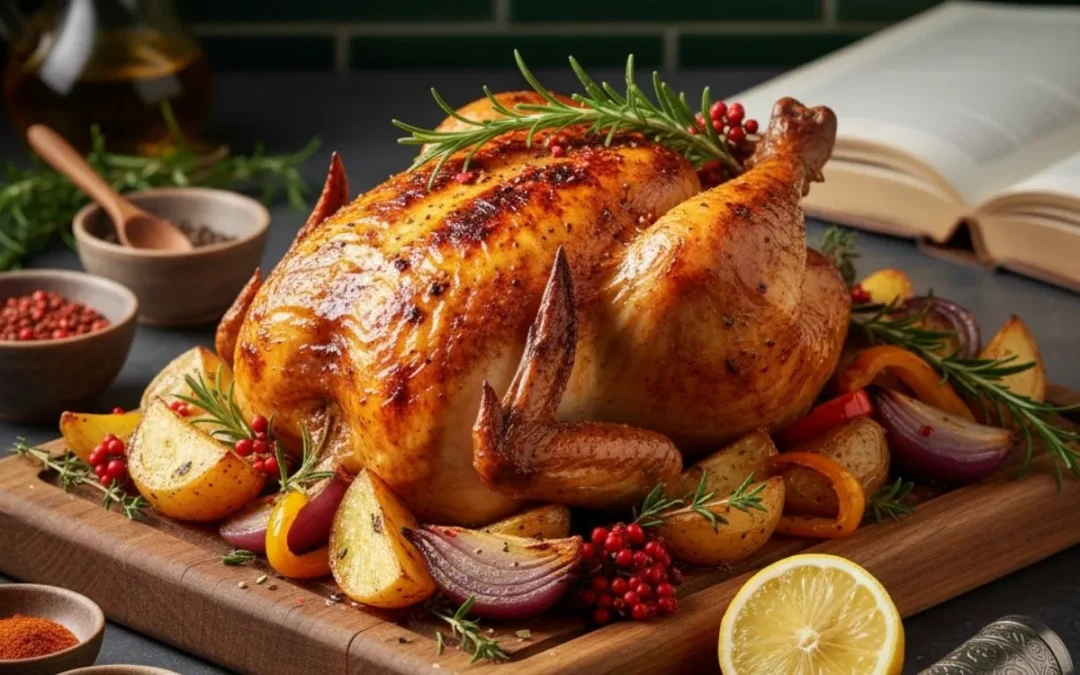
Chicken – A Sunnah Protein With Timeless Benefits
Chicken holds an important place in prophetic nutrition, mentioned in Sahih al-Bukhari 5517, where Abu Musa Al-Ash’ari (RA) narrates that he saw the Prophet ﷺ eating chicken. This simple yet powerful narration highlights that poultry is not only permissible but also a Sunnah food rich in nourishment and health benefits. In an age where protein choices are often surrounded by confusion due to additives, hormones, and poor farming practices, choosing Halal and Tayyib chicken becomes even more essential. High-quality chicken offers clean protein, essential vitamins, and metabolic support that benefit individuals of all ages. If you’re looking to improve your diet with a Sunnah-approved protein, chicken is one of the most effective foods to include regularly.
Modern nutrition studies also support what Islamic tradition taught centuries ago that chicken is a complete, balanced source of lean protein. It promotes muscle repair, strengthens immunity, and supports hormone production while being low in unhealthy fats. Choosing organic, free-range, and antibiotic-free poultry ensures that what you consume is both spiritually and physically beneficial. This aligns with the Quranic guidance to eat what is Halal (lawful) and Tayyib (pure, good, wholesome). The harmony of Islamic and nutritional wisdom makes chicken a Sunnah superfood worth incorporating into your weekly meals.
Benefits of Eating Halal & Tayyib Chicken
Chicken is highly valued in prophetic and modern nutrition due to its versatility and health benefits. It is rich in essential nutrients such as vitamin B6, niacin, selenium, and high-quality protein. These nutrients help boost metabolism, support cognitive health, enhance immune function, and maintain muscle strength. When sourced ethically and prepared with Sunnah intentions, eating chicken becomes an act of worship and gratitude. Choosing clean, Halal-certified poultry ensures your meals nourish your body, soul, and lifestyle.
Checklist for Choosing Halal & Tayyib Chicken
Use this list when shopping:
- Look for organic or free-range labels
- Avoid hormone-injected or antibiotic-heavy poultry
- Choose sources with verified Halal certification
- Prefer locally sourced farm-raised birds
- Ensure clean slaughtering and hygienic handling
Sunnah-Inspired Roast Chicken Recipe
Ingredients
- 1 whole chicken
- 1 tsp sumac
- 1 tsp crushed black pepper
- 1 tbsp paprika
- 1 tsp Italian herbs
- 1 tsp all-spice or garam masala
- ½ tsp cumin
- Juice of 1 lemon
- 1 tbsp garlic paste
- 2 tbsp olive oil
- 1.5 tsp salt
- Vegetables (potato, onion, bell peppers)
Method
- Clean and slit the chicken, then pat dry.
- Mix all spices and rub the marinade thoroughly on the chicken.
- Marinate for 4 hours or overnight.
- Bake at 370°F (190°C) for about an hour.
- Broil for 3–4 minutes for a golden finish.
Conclusion
Chicken, when sourced and prepared the Sunnah way, becomes a powerful source of nourishment and spiritual connection. It supports immunity, muscle strength, and overall health while reminding us of the Prophet’s ﷺ simple and wholesome lifestyle. As long as we prioritize Halal and Tayyib principles, chicken can be a staple in a balanced, faith-centered diet. Whether roasted, grilled, or cooked in traditional dishes, this Sunnah protein remains both timeless and nutritionally valuable. Embrace the Sunnah by making chicken a meaningful part of your weekly meals.
FAQs
1. Is chicken considered a Sunnah food?
Yes, based on authentic hadith, the Prophet ﷺ consumed chicken.
2. What type of chicken is healthiest?
Organic, free-range, hormone-free, and antibiotic-free chicken.
3. Can I prepare Sunnah-style chicken without an oven?
Yes, you can grill, air-fry, or steam it for similar results.
4. How often should chicken be eaten?
It can be part of a balanced diet 2–3 times per week depending on your nutritional needs.
5. Is roasted chicken healthier than fried?
Yes, roasted chicken retains nutrients without excess oil or calories.