Vitamin A benefits go far beyond clear vision, yet most people still associate it only with eye health. In reality, this powerful nutrient supports immunity, skin integrity, gut health, and cellular renewal. Long before modern supplements, Allah placed healing within natural foods like pumpkin, egg yolks, and leafy greens. These whole foods provide vitamin A in forms the body understands and uses wisely. Understanding how vitamin A works can help you make smarter dietary choices for lifelong wellness.
In today’s fast-paced world, nutrient deficiencies often come not from lack of food, but from poor absorption and imbalanced diets. Vitamin A plays a central role in maintaining barriers that protect us from infections and disease. From childhood development to adult immune defense, this nutrient supports the body at a cellular level. When consumed through whole foods, vitamin A works in harmony with the body’s needs. This blog explores vitamin A benefits, deficiency risks, food sources, and prophetic wisdom connected to this essential nutrient.
Vitamin A benefits the body by supporting vision, immunity, reproduction, and cellular communication. It is essential for maintaining healthy eyesight, especially in low-light and night vision conditions. This vitamin also protects the skin and mucosal linings, which act as the first defense against harmful pathogens. At a cellular level, vitamin A regulates gene expression and supports normal cell growth. Without adequate vitamin A, multiple systems in the body begin to weaken simultaneously.
Beyond vision, vitamin A is critical for maintaining a strong immune response. It helps immune cells identify and respond effectively to bacteria and viruses. The nutrient also supports gut lining integrity, reducing inflammation and improving nutrient absorption. Vitamin A benefits extend to reproductive health and proper fetal development when consumed in safe amounts. These wide-ranging functions explain why vitamin A is considered a cornerstone of foundational nutrition.
Vitamin A Benefits and Deficiency: Is It Still Common?
Vitamin A deficiency is still a global health concern, even in developed regions. It often occurs in individuals with poor fat absorption, restrictive eating patterns, or chronic digestive disorders. Conditions such as celiac disease, IBS, and gallbladder issues can impair vitamin A uptake. Early symptoms may be subtle, making deficiency easy to overlook. Over time, untreated deficiency can significantly weaken immune and visual health.
Common signs of vitamin A deficiency include night blindness, dry skin, frequent infections, and slow wound healing. Children and pregnant women are especially vulnerable due to higher nutritional demands. Diets low in animal products and colorful vegetables may also increase risk. Addressing deficiency through food-first strategies is safer and more sustainable than relying solely on supplements. Improving fat intake alongside vitamin A foods greatly enhances absorption and effectiveness.
Can You Get Too Much Vitamin A?
Excess vitamin A intake is possible, but it usually comes from supplements rather than food. Preformed vitamin A, known as retinol, can accumulate in the body and become toxic at high doses. This risk is especially concerning during pregnancy, where excess retinol may affect fetal development. Many people unknowingly exceed safe limits through multivitamins and fortified products. Understanding vitamin A sources helps prevent overconsumption.
Whole foods contain vitamin A primarily as beta-carotene, which the body converts only as needed. This natural conversion process protects against toxicity. That is why carrots, pumpkin, and leafy greens are considered safe vitamin A foods. Supplements should only be used under professional guidance when deficiency is clinically confirmed. A food-based approach offers vitamin A benefits without unnecessary health risks.
Best Food Sources of Vitamin A
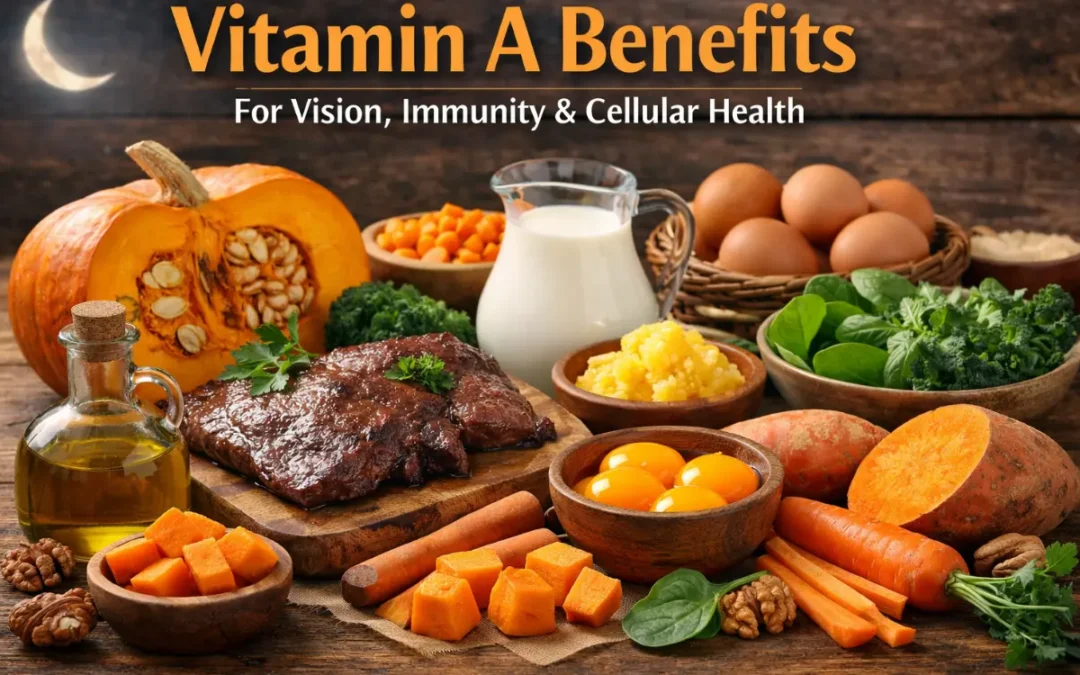
Vitamin A foods come from both animal and plant sources, offering flexibility for different diets. Liver is the most concentrated source of preformed vitamin A and should be consumed in moderation. Egg yolks and full-fat dairy provide highly absorbable vitamin A along with beneficial fats. Plant-based sources like carrots, sweet potatoes, and pumpkin supply beta-carotene. Dark leafy greens such as spinach and kale further enhance vitamin A intake naturally.
Below is a simple comparison of top vitamin A food sources:
Plant sources (beta-carotene): pumpkin, carrots, sweet potato, spinach, kale
Combining both types ensures balanced intake. Including a variety of colorful foods improves overall micronutrient diversity. This approach maximizes vitamin A benefits while supporting long-term health.
Sunnah Connection: Pumpkin and Prophetic Nutrition
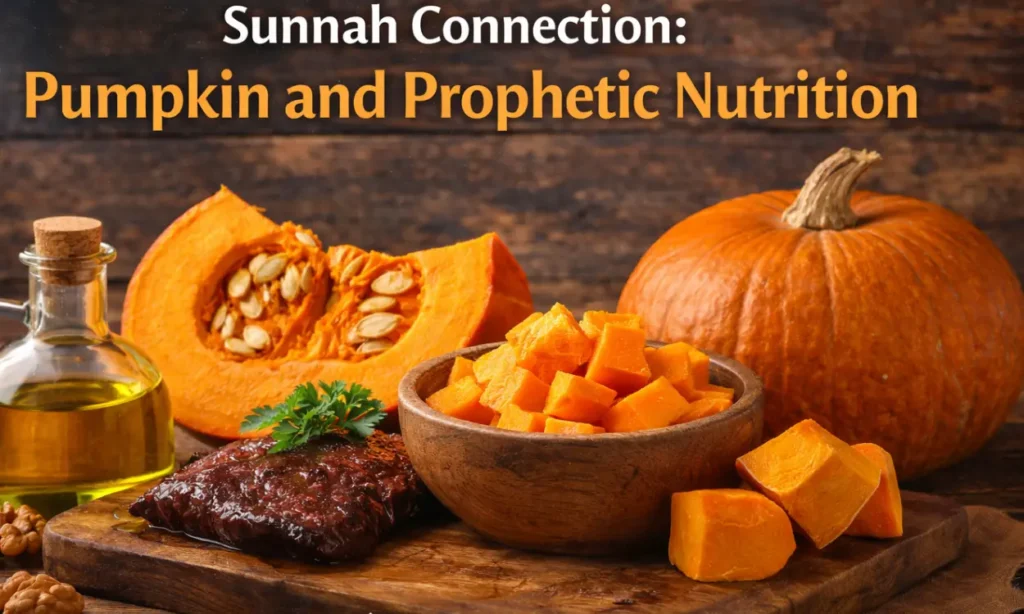
The Prophet ﷺ loved pumpkin, also known as dubba, and this choice carries deep nutritional wisdom. Pumpkin is rich in beta-carotene, a powerful precursor to vitamin A. This compound supports eye health, immunity, and skin repair. Prophetic nutrition consistently aligns with modern nutritional science. Such foods nourish both the body and the soul.
Pumpkin is easy to digest, versatile in cooking, and suitable for all age groups. It supports gut health while delivering essential antioxidants. Including pumpkin in soups, stews, or roasted dishes is a simple way to increase vitamin A benefits. This Sunnah-based food choice reminds us that healing often lies in simplicity. Faith-aligned nutrition encourages mindful eating rooted in balance and moderation.
Pro Tip: How to Absorb Vitamin A Properly
Vitamin A is a fat-soluble vitamin, meaning it requires dietary fat for absorption. Consuming vitamin A foods without fat significantly reduces their effectiveness. Healthy fats like olive oil, ghee, nuts, and seeds enhance absorption at the intestinal level. This small adjustment can dramatically improve nutrient uptake. Many people remain deficient simply due to poor absorption, not low intake.
Pairing carrots with olive oil or pumpkin with ghee improves bioavailability. Egg yolks naturally contain fat, making them an excellent vitamin A source. Avoid extremely low-fat diets if your goal is nutrient sufficiency. Proper absorption ensures you receive the full vitamin A benefits from your meals. Simple food combinations can make a powerful nutritional difference.
Interesting Fact: Vitamin A and Immune Intelligence
Vitamin A benefits extend to immune “intelligence,” not just strength. It helps immune cells recognize harmful pathogens more efficiently. This nutrient supports the differentiation of immune cells that coordinate defense responses. Without vitamin A, immune signaling becomes slower and less precise. This explains why deficiency increases infection risk.
A well-nourished immune system responds faster and recovers more effectively. Vitamin A also helps regulate inflammation, preventing excessive immune reactions. Balanced immunity protects without causing unnecessary tissue damage. This nutrient acts as a communication tool within the immune system. Adequate vitamin A intake supports resilience against everyday illnesses.
Vitamin A Benefits: Why It Deserves Daily Attention
Vitamin A benefits touch nearly every system in the body, from vision to immunity and cellular repair. Choosing whole foods over supplements ensures safer and more effective intake. Prophetic nutrition highlights that wisdom and nourishment often coexist in simple foods. By focusing on absorption, balance, and variety, you can prevent deficiency naturally. Small dietary changes can lead to lasting health improvements.
If you learned something new, reflect on how you can apply it to your daily meals. Awareness is the first step toward better nutrition. Share this knowledge to help others benefit as well. Food truly is medicine when used with intention and understanding. Let vitamin A be a reminder that optimal health begins on your plate.
FAQs
1. What are the main vitamin A benefits?
Vitamin A benefits include improved eyesight, stronger immunity, healthy skin, and proper cell growth. It supports night vision and protects the body by maintaining healthy skin and mucosal barriers. Vitamin A also plays a key role in immune function and gut lining integrity. Adequate intake helps reduce infection risk and supports overall cellular health. These benefits are best achieved through whole food sources.
2. What foods are high in vitamin A?
Foods rich in vitamin A include liver, egg yolks, and full-fat dairy products. Plant-based sources such as carrots, sweet potatoes, pumpkin, spinach, and kale provide beta-carotene, which the body converts into vitamin A. Liver is the most concentrated source and should be consumed in moderation. Combining animal and plant sources ensures balanced intake. Whole foods are safer than supplements for meeting vitamin A needs.
3. Can vitamin A deficiency still occur today?
Yes, vitamin A deficiency is still common, especially in people with digestive disorders or restrictive diets. Poor fat absorption, chronic gut issues, and low intake of animal foods increase the risk. Symptoms may include night blindness, frequent infections, dry skin, and slow wound healing. Children and pregnant women are more vulnerable to deficiency. A food-first approach helps prevent long-term complications.
4. Is too much vitamin A harmful?
Excess vitamin A can be harmful when consumed in supplement form, particularly preformed vitamin A (retinol). High doses may lead to toxicity and are especially dangerous during pregnancy. Food sources are generally safe because beta-carotene converts only as needed by the body. This natural regulation prevents overdose. Supplements should only be used under professional guidance.
5. Is vitamin A safe during pregnancy?
Vitamin A is essential during pregnancy, but intake must be carefully managed. Excess retinol from supplements or frequent liver consumption can be harmful. Beta-carotene from fruits and vegetables is considered safe. Pregnant women should focus on plant-based vitamin A sources unless advised otherwise by a healthcare provider. Balanced intake supports fetal development safely.
6. Why should vitamin A be consumed with fat?
Vitamin A is a fat-soluble vitamin, meaning it requires dietary fat for proper absorption. Consuming vitamin A foods without fat reduces their bioavailability. Healthy fats like olive oil, ghee, nuts, and seeds improve absorption. This is especially important for people with digestive issues. Pairing vitamin A foods with fat maximizes their benefits.
7. What is the difference between retinol and beta-carotene?
Retinol is preformed vitamin A found in animal products, while beta-carotene is a plant-based precursor. The body converts beta-carotene into vitamin A only when needed. Retinol is more potent but can be toxic in excess. Beta-carotene is safer for regular intake. Both forms contribute to vitamin A benefits when consumed appropriately.
8. How do Vitamin A Benefits support the immune system?
Vitamin A helps immune cells recognize and respond to pathogens effectively. It strengthens the skin and mucosal barriers that prevent infections. The vitamin also regulates immune cell development and communication. Deficiency weakens immune responses and increases infection risk. Adequate intake supports balanced and efficient immunity.
9. Is pumpkin really a good source of vitamin A?
Yes, pumpkin is an excellent source of beta-carotene, a vitamin A precursor. It supports eye health, immunity, and skin repair. Pumpkin is easy to digest and suitable for all age groups. Its inclusion aligns with prophetic nutrition, as it was loved by the Prophet ﷺ. Pumpkin offers both nutritional and spiritual wisdom.
10. Should I take vitamin A supplements daily?
Most people do not need daily vitamin A supplements if their diet is balanced. Whole foods provide sufficient vitamin A without toxicity risk. Supplements may be necessary only in diagnosed deficiency cases. Long-term unsupervised use can be harmful. Always prioritize food sources and consult a healthcare professional before supplementing.
A dry, irritating cough can linger for weeks, stealing sleep, draining energy, and making even simple conversations uncomfortable especially during winter. When children are affected, the stress doubles, because most remedies taste awful or feel too harsh to give daily. That’s why many families turn to a dry cough home remedy that is gentle, effective, and easy to include in everyday care without resistance.
The good news is that a dry cough home remedy can be simple, gentle, and surprisingly effective. This article explains a traditional almond and salt remedy that supports throat comfort without strong flavors. You will learn how it works, how to prepare it safely, and when it is appropriate to use. We will also cover who should avoid it and how to get the best results. The goal is to help you make an informed, practical choice.
Why Dry Coughs Linger During Winter
Dry coughs are common in colder months, often caused by dry air, throat irritation, or recovery from viral infections. Unlike wet coughs, there is no mucus to clear, so the cough reflex keeps firing without relief. This makes nighttime especially difficult and slows overall recovery.
Environmental factors play a big role too. Indoor heating dries out the air, allergens circulate more easily, and frequent temperature changes irritate sensitive throats. A gentle, food-based approach can help calm irritation while the body heals naturally.
Cold Air and Throat Irritation
Cold, dry air strips moisture from the throat lining. This dryness triggers the cough reflex even when there is no infection present.
Post-Viral Sensitivity
After a flu or cold, nerves in the throat remain sensitive. Even minor triggers like talking or laughing can restart coughing.
Why Syrups Don’t Always Help
Many cough syrups target mucus. With a dry cough, they may offer little relief or cause unwanted drowsiness.
Understanding the Almond and Salt Remedy
This traditional approach focuses on nourishment and balance rather than suppression. Almonds provide healthy fats and minerals that support tissue repair, while salt helps stimulate saliva and soothe dryness. Together, they create a mild yet comforting effect on the throat.
What makes this remedy appealing is its simplicity and taste. Children who refuse ginger or honey often accept lightly salted almonds without resistance. Used correctly, it can complement rest and hydration for faster comfort.
Nutritional Support from Almonds
Almonds contain vitamin E and magnesium, which help protect and soothe irritated tissues. Their natural oils also help coat the throat gently.
Role of Salt in Throat Comfort
Salt encourages saliva production, which naturally moisturizes the throat. It also helps balance dryness caused by heated indoor air.
Why This Is a Dry Cough Home Remedy
This method works best when there is no phlegm. It calms irritation rather than trying to break up mucus.
Preparation matters. Light roasting with salt ensures the almonds are easy to digest and effective without being harsh. Always use fresh almonds and clean cookware.
Below is the simple preparation process followed by key safety notes to keep in mind, especially when giving this remedy to children.
Step-by-Step Preparation Table
Step
Ingredient/Action
Notes
1
Heat cast iron pan
Medium heat only
2
Add ¼ cup water
Prevents burning
3
Add 5–7 almonds + salt
Pink or regular salt
4
Stir until dry
Water fully evaporated
Dosage and Timing
Have the almonds once daily, preferably in the evening. Continue for two to four days for best results.
Safety First
Avoid this remedy if there is chest congestion, wheezing, or phlegm. It is not a replacement for prescribed medication.
Who This Remedy Is Best For (and Who Should Avoid It)
Not every cough is the same. This remedy is designed for specific situations, and using it incorrectly may delay proper treatment. Understanding when to use it is just as important as knowing how to prepare it.
Parents, caregivers, and adults can benefit when symptoms match the right profile. When they do not, professional advice is essential.
Best suited for:
Persistent dry cough without mucus
Nighttime throat irritation
Post-viral cough recovery
Children who refuse strong-tasting remedies
Adults seeking gentle, food-based relief
Avoid or consult a doctor if:
There is phlegm or chest congestion
Fever persists beyond a few days
Cough lasts longer than three weeks
The child is under three years old
When to Expect Results
Many people notice reduced coughing within one to two days. Full relief often follows by day four with consistent use.
Combining with Medical Care
This can be used alongside doctor-recommended treatments, not instead of them. Always prioritize medical advice when symptoms worsen.
Making Natural Cough Care Part of Daily Wellness
A dry cough home remedy works best when supported by healthy daily habits. Small changes in routine can prevent coughs from lingering or returning. Think of this remedy as one part of a larger care approach.
Consistency matters more than intensity. Gentle remedies paired with hydration, rest, and clean air deliver better long-term results than quick fixes.
Hydration Is Non-Negotiable
Warm fluids help maintain throat moisture. Avoid excessive caffeine, which can increase dryness.
Diet Choices That Help
Soft foods, soups, and healthy fats support recovery. Avoid very spicy or fried foods during active coughing.
Building a Family-Friendly Routine
Simple remedies are easier to repeat. When children accept them willingly, consistency becomes effortless.
Final Thoughts
A persistent dry cough can be exhausting, especially during winter when the air is cold and dry and recovery feels slow. Simple, time-tested remedies like the almond and salt method remind us that gentle, food-based care can still play a supportive role in everyday wellness. When used correctly and for the right type of cough, this approach can bring comfort without the struggle of strong tastes or harsh ingredients.
That said, always listen to your body. If symptoms change, worsen, or include phlegm, fever, or chest congestion, professional medical advice is essential. Natural remedies work best as support not substitutes for proper care. With a little consistency, patience, and mindful use, small habits like these can make winter coughs easier to manage, Insha’Allah.
FAQ
Q1: Can I give this remedy to my child daily?
Yes, for two to four days if the cough is dry and there are no other symptoms.
Q2: Is this safe for adults with sensitive stomachs?
Generally yes, but use fewer almonds and lighter salt if sensitivity exists.
Q3: When should I stop and see a doctor?
If the cough lasts more than three weeks or new symptoms appear, seek medical advice.
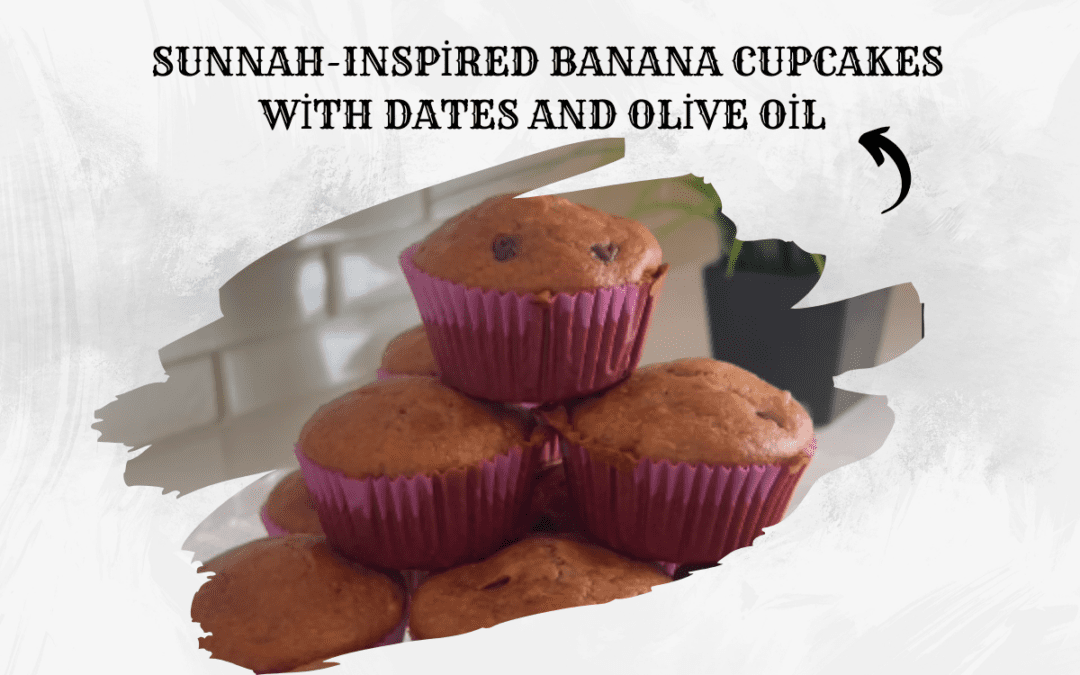
Celebrations feel extra special when they are rooted in faith, love, and wholesome intentions. When a child completes a milestone like finishing a Juz of the Qur’an, it deserves a treat that nourishes both the heart and body. These Sunnah-inspired banana cupcakes are more than just a dessert; they are a beautiful reminder that food can be tayyib, nutritious, and delicious all at once. By choosing natural sweeteners, healthy fats, and whole grains, you transform a simple cupcake recipe into a meaningful act of care. Keep reading to discover how this easy, family-friendly recipe can become a staple in your kitchen and a favorite among kids and adults alike.
Rooted in Islamic tradition and modern nutrition, this recipe reflects a growing desire among Muslim families to embrace halal baking, clean ingredients, and mindful cooking. Using dates, olive oil, and whole grains aligns closely with foods loved and encouraged in the Sunnah. At the same time, the soft banana base and chocolate chips make these cupcakes irresistible for children, perfect for school events, Qur’an classes, and family gatherings. Whether you are searching for a healthy cupcake recipe, a refined sugar–free dessert, or a kid-approved halal snack, this recipe checks every box. Let’s explore what makes these banana cupcakes so special and how you can make them perfectly every time.
Why Choose Sunnah-Inspired Baking?
Sunnah-inspired baking focuses on using ingredients that are both spiritually meaningful and nutritionally beneficial. Dates, olive oil, and whole grains are mentioned in Islamic tradition and are now widely praised by modern nutritionists. Dates provide natural sweetness, fiber, and essential minerals, making them a powerful alternative to refined sugar. Olive oil is rich in healthy fats and antioxidants, supporting heart health and overall wellness. When combined, these ingredients create desserts that are wholesome without sacrificing taste.
For parents, especially, this approach offers peace of mind. You know exactly what goes into your child’s treat, avoiding unnecessary additives and overly processed ingredients. Sunnah-inspired recipes also encourage intentional living choosing quality over convenience. These cupcakes are ideal for families seeking Islamic recipes, healthy baking alternatives, and nourishing desserts. Most importantly, they show children that treats can be both enjoyable and good for them.
Below is a quick look at the key ingredients and why they matter:
Olive Oil: A heart-healthy fat and Sunnah food that keeps cupcakes moist
Date Syrup: Natural sweetener rich in fiber and minerals
Whole Wheat Flour: Provides complex carbohydrates and nutrients
Almond Flour: Adds protein, healthy fats, and a soft texture
Bananas: Natural sweetness, potassium, and moisture
Eggs & Milk: Protein and structure for balanced baking
Each ingredient serves a purpose, enhancing both flavor and nutrition. Swapping refined sugar for date syrup reduces blood sugar spikes and adds depth of flavor. Using a blend of flours ensures the cupcakes remain light while still being filling. Optional nuts add crunch, omega-3 fats, and extra protein, making these cupcakes even more satisfying. Chocolate chips, while optional, help bridge the gap between healthy and indulgent, especially for kids.
Step-by-Step Method for Perfect Cupcakes
The beauty of this recipe lies in its simplicity, making it perfect even for beginner bakers. Start by mashing ripe bananas until smooth, as they form the base of moisture and sweetness. Gradually mix in olive oil, eggs, date syrup, vanilla, and milk to create a rich wet mixture. When adding the dry ingredients, gently fold them in to avoid overmixing, which helps keep the cupcakes soft and fluffy. Baking at the right temperature ensures even cooking and a golden finish.
Practical tips can elevate your results every time. Always use ripe bananas with brown spots for maximum sweetness. If your date syrup is very thick, slightly warm it for easier mixing. Check doneness by inserting a toothpick; it should come out clean or with a few moist crumbs. Allow the cupcakes to cool before drizzling chocolate for a beautiful finish. These small details make a big difference in texture and flavor.
Why Kids and Parents Love These Cupcakes
Children love these cupcakes because they taste like a classic banana chocolate treat. Parents love them because they are made with clean, wholesome, and halal ingredients. They are perfect for lunchboxes, after-school snacks, or celebratory occasions. Unlike store-bought cupcakes, these are free from artificial preservatives and excessive sugar. They strike a balance between indulgence and nutrition.
From a commercial and practical standpoint, this recipe also supports meal planning and batch baking. You can freeze the cupcakes and reheat them easily, saving time during busy weeks. They pair beautifully with tea or coffee, making them suitable for guests as well. Whether you are focused on healthy family recipes, Islamic parenting, or mindful eating, these cupcakes fit seamlessly into your lifestyle. They are proof that food made with intention carries extra joy.
Final Thoughts & Call to Action
These Sunnah-inspired banana cupcakes are more than just a recipe; they are a reflection of love, faith, and conscious choices. By baking with nourishing ingredients, you create moments of barakah that your family will remember. This recipe is easy, adaptable, and deeply meaningful, making it perfect for both everyday treats and special milestones. Try it once, and it may just become a tradition in your home. Save this recipe, share it with loved ones, and don’t forget to tag when you bake it, insha Allah.
FAQs
1. Can I make these banana cupcakes vegan?
Yes, you can substitute eggs with flax eggs and use plant-based milk for a vegan version.
2. Are these cupcakes suitable for toddlers?
Absolutely, as they are naturally sweetened and made with wholesome ingredients.
3. Can I replace date syrup with honey?
Yes, honey is also a Sunnah food, but adjust the quantity as it is sweeter.
4. How should I store these cupcakes?
Store them in an airtight container for up to three days or freeze for longer storage.
5. Can I turn this recipe into a loaf cake?
Yes, simply pour the batter into a loaf pan and adjust baking time accordingly.
May your kitchen always be filled with sweetness, nourishment, and barakah. 🌿
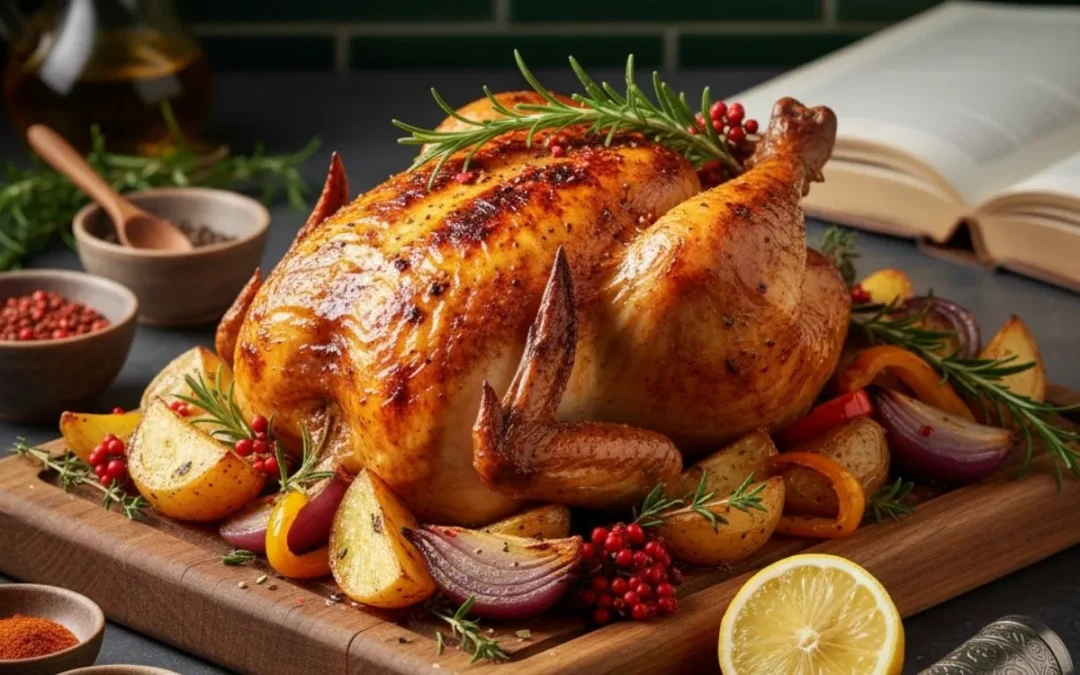
Chicken holds an important place in prophetic nutrition, mentioned in Sahih al-Bukhari 5517, where Abu Musa Al-Ash’ari (RA) narrates that he saw the Prophet ﷺ eating chicken. This simple yet powerful narration highlights that poultry is not only permissible but also a Sunnah food rich in nourishment and health benefits. In an age where protein choices are often surrounded by confusion due to additives, hormones, and poor farming practices, choosing Halal and Tayyib chicken becomes even more essential. High-quality chicken offers clean protein, essential vitamins, and metabolic support that benefit individuals of all ages. If you’re looking to improve your diet with a Sunnah-approved protein, chicken is one of the most effective foods to include regularly.
Modern nutrition studies also support what Islamic tradition taught centuries ago that chicken is a complete, balanced source of lean protein. It promotes muscle repair, strengthens immunity, and supports hormone production while being low in unhealthy fats. Choosing organic, free-range, and antibiotic-free poultry ensures that what you consume is both spiritually and physically beneficial. This aligns with the Quranic guidance to eat what is Halal (lawful) and Tayyib (pure, good, wholesome). The harmony of Islamic and nutritional wisdom makes chicken a Sunnah superfood worth incorporating into your weekly meals.
Chicken is highly valued in prophetic and modern nutrition due to its versatility and health benefits. It is rich in essential nutrients such as vitamin B6, niacin, selenium, and high-quality protein. These nutrients help boost metabolism, support cognitive health, enhance immune function, and maintain muscle strength. When sourced ethically and prepared with Sunnah intentions, eating chicken becomes an act of worship and gratitude. Choosing clean, Halal-certified poultry ensures your meals nourish your body, soul, and lifestyle.
Checklist for Choosing Halal & Tayyib Chicken
Use this list when shopping:
Look for organic or free-range labels
Avoid hormone-injected or antibiotic-heavy poultry
Choose sources with verified Halal certification
Prefer locally sourced farm-raised birds
Ensure clean slaughtering and hygienic handling
Sunnah-Inspired Roast Chicken Recipe
Ingredients
1 whole chicken
1 tsp sumac
1 tsp crushed black pepper
1 tbsp paprika
1 tsp Italian herbs
1 tsp all-spice or garam masala
½ tsp cumin
Juice of 1 lemon
1 tbsp garlic paste
2 tbsp olive oil
1.5 tsp salt
Vegetables (potato, onion, bell peppers)
Method
Clean and slit the chicken, then pat dry.
Mix all spices and rub the marinade thoroughly on the chicken.
Marinate for 4 hours or overnight.
Bake at 370°F (190°C) for about an hour.
Broil for 3–4 minutes for a golden finish.
Conclusion
Chicken, when sourced and prepared the Sunnah way, becomes a powerful source of nourishment and spiritual connection. It supports immunity, muscle strength, and overall health while reminding us of the Prophet’s ﷺ simple and wholesome lifestyle. As long as we prioritize Halal and Tayyib principles, chicken can be a staple in a balanced, faith-centered diet. Whether roasted, grilled, or cooked in traditional dishes, this Sunnah protein remains both timeless and nutritionally valuable. Embrace the Sunnah by making chicken a meaningful part of your weekly meals.
FAQs
1. Is chicken considered a Sunnah food?
Yes, based on authentic hadith, the Prophet ﷺ consumed chicken.
2. What type of chicken is healthiest?
Organic, free-range, hormone-free, and antibiotic-free chicken.
3. Can I prepare Sunnah-style chicken without an oven?
Yes, you can grill, air-fry, or steam it for similar results.
4. How often should chicken be eaten?
It can be part of a balanced diet 2–3 times per week depending on your nutritional needs.
5. Is roasted chicken healthier than fried?
Yes, roasted chicken retains nutrients without excess oil or calories.
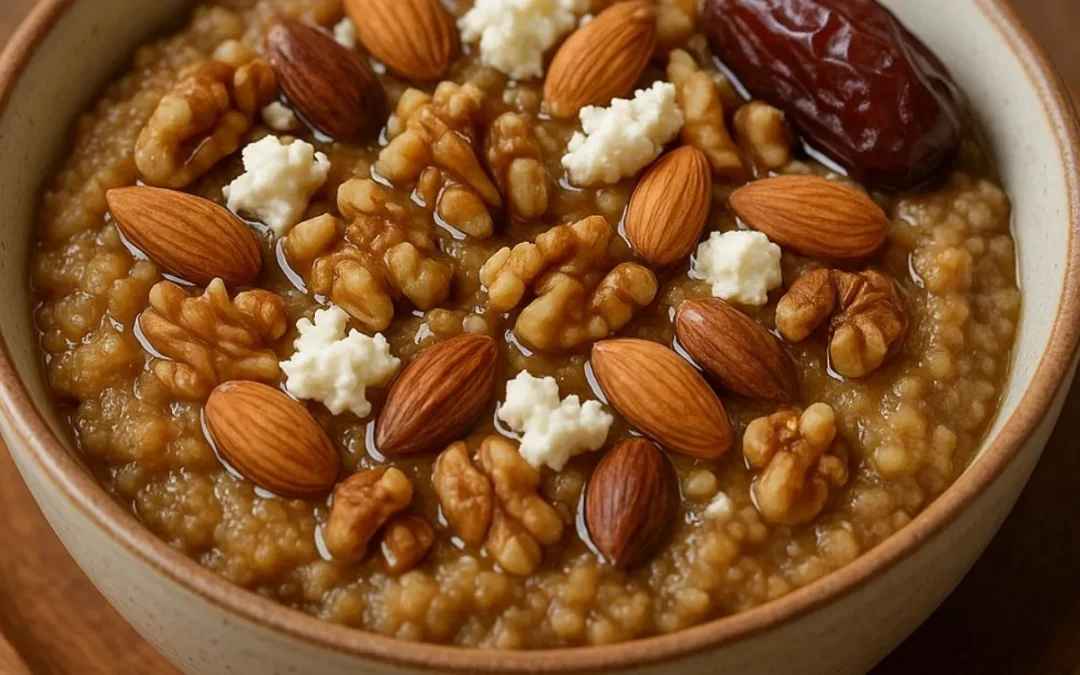
Hais (Hasees) — also known as Hasees A Sunnah Sweet Dish — is one of the timeless Sunnah desserts that beautifully captures the essence of prophetic nutrition. This wholesome sweet dish carries a history of simplicity, purity, and nourishment, making it a powerful reminder of how the Prophet ﷺ approached food with mindfulness and gratitude. In a world filled with heavily processed sweets, artificial additives, and chemical-laden desserts, Hais stands out as a natural, nutrient-dense choice suitable for both celebrations and everyday nourishment. It evokes a sense of connection to the prophetic era, offering a taste of tradition while supporting modern-day health goals. If you’re searching for a dessert that is healthy, Sunnah-inspired, and incredibly satisfying, Hais is the perfect revival dish for your kitchen.
The hadith in Sahih al-Bukhari 5169 highlights that the Prophet ﷺ offered Hais at his wedding feast, showcasing its cultural and spiritual significance. This single narration proves how simplicity and wholesomeness were always at the heart of prophetic celebrations. Foods like Hais were prepared using ingredients such as barley, dates, cheese, and milk all known for their nourishing properties in Islamic tradition. These natural foods are high in vitamins, minerals, slow-digesting carbohydrates, and healthy fats, making Hais a balanced sweet that energizes without harming the body. By reviving this Sunnah dish, we reconnect with the Prophetic lifestyle while aligning with modern clean-eating trends.
Hais is not just a dessert it’s a functional, nutrient-dense sweet that aligns perfectly with holistic health. Made with natural foods such as barley, dates, paneer (cottage cheese), nuts, and ghee, this recipe provides high-quality protein and healthy fats. These ingredients help maintain energy, stabilize blood sugar, and support digestive health without relying on refined sugar or artificial flavors. Its natural sweetness satisfies cravings while keeping the body nourished in a balanced way. This makes Hais ideal for children, adults, athletes, and anyone seeking a wholesome dessert option.
Nutritional Benefits of Hais (Hasees)
Here’s why this Sunnah dessert is a nutritional gem:
Naturally sweetened with dates, honey, or jaggery
Rich in fiber, calcium, and protein
Contains healthy fats from ghee and nuts
Good source of slow-releasing energy
Supports digestion and hormonal balance
Sunnah-Inspired Hais Recipe
Ingredients
½ cup boiled barley
1 cup milk
¼ cup paneer (cottage cheese)
2 tsp ghee
¼ cup roasted nuts
Dates, date syrup, or jaggery (to taste)
1 tbsp honey
Method
Heat ghee and roast the barley until fragrant and lightly golden.
Add milk and cook until creamy.
Stir in crumbled paneer and reduce heat.
Add natural sweeteners such as dates or jaggery.
Serve topped with honey, paneer, and nuts.
Conclusion
Hais is more than a dessert — it is a meaningful way to revive prophetic eating habits with modern health benefits. This Sunnah delicacy supports wellness, nourishment, and celebration without compromising on purity or natural ingredients. By incorporating Hais into your lifestyle, you embrace both spiritual connection and clean nutrition. Whether served warm or chilled, it remains a comforting reminder that wholesome foods are a blessing meant to be enjoyed. Add this Sunnah sweet dish to your table and experience the perfect blend of tradition, taste, and health.
FAQs
1. Is Hais suitable for weight loss?
Yes, when eaten in moderation, Hais provides natural sweetness and healthy fats that keep you full longer.
2. Can Hais be made vegan?
Yes. Substitute plant-based milk, vegan ghee, and a non-dairy cheese alternative.
3. Is Hais safe for children?
Absolutely — it is made with natural, nutrient-rich foods ideal for growing bodies.
4. Can I store Hais in the refrigerator?
It stays fresh for up to 2–3 days when refrigerated.
5. Does Hais have to be served hot?
No, it can be enjoyed hot, warm, or cold depending on preference.