
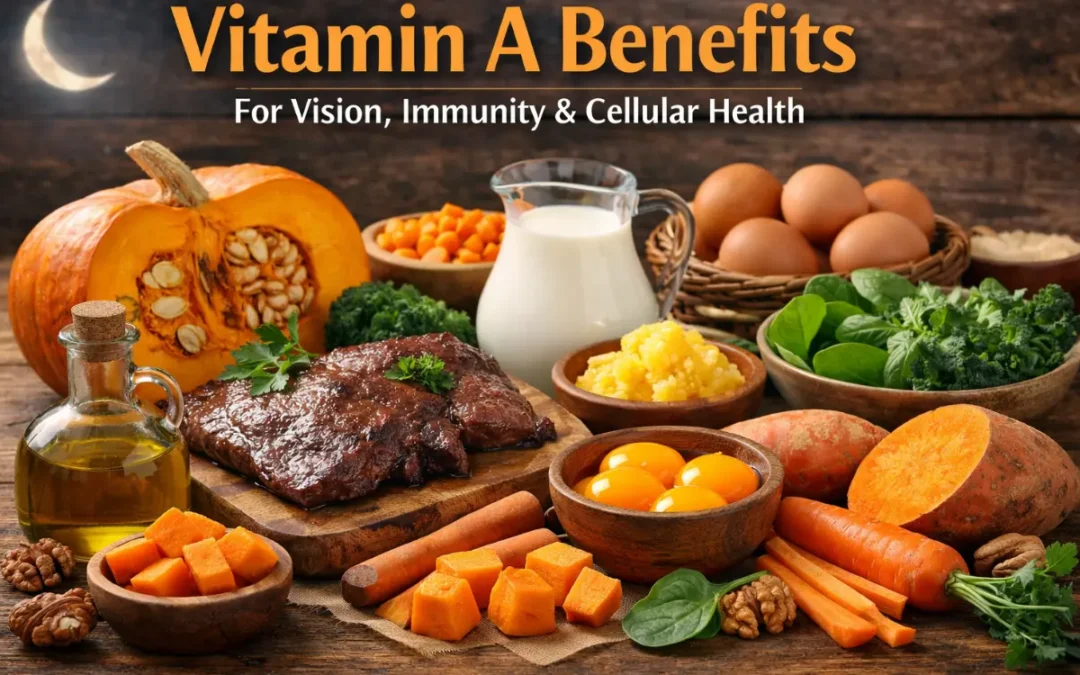
Vitamin A benefits go far beyond clear vision, yet most people still associate it only with eye health. In reality, this powerful nutrient supports immunity, skin integrity, gut health, and cellular renewal. Long before modern supplements, Allah placed healing within natural foods like pumpkin, egg yolks, and leafy greens. These whole foods provide vitamin A in forms the body understands and uses wisely. Understanding how vitamin A works can help you make smarter dietary choices for lifelong wellness.
In today’s fast-paced world, nutrient deficiencies often come not from lack of food, but from poor absorption and imbalanced diets. Vitamin A plays a central role in maintaining barriers that protect us from infections and disease. From childhood development to adult immune defense, this nutrient supports the body at a cellular level. When consumed through whole foods, vitamin A works in harmony with the body’s needs. This blog explores vitamin A benefits, deficiency risks, food sources, and prophetic wisdom connected to this essential nutrient.
What Does Vitamin A Do in the Body?
Vitamin A benefits the body by supporting vision, immunity, reproduction, and cellular communication. It is essential for maintaining healthy eyesight, especially in low-light and night vision conditions. This vitamin also protects the skin and mucosal linings, which act as the first defense against harmful pathogens. At a cellular level, vitamin A regulates gene expression and supports normal cell growth. Without adequate vitamin A, multiple systems in the body begin to weaken simultaneously.
Beyond vision, vitamin A is critical for maintaining a strong immune response. It helps immune cells identify and respond effectively to bacteria and viruses. The nutrient also supports gut lining integrity, reducing inflammation and improving nutrient absorption. Vitamin A benefits extend to reproductive health and proper fetal development when consumed in safe amounts. These wide-ranging functions explain why vitamin A is considered a cornerstone of foundational nutrition.
Vitamin A Benefits and Deficiency: Is It Still Common?
Vitamin A deficiency is still a global health concern, even in developed regions. It often occurs in individuals with poor fat absorption, restrictive eating patterns, or chronic digestive disorders. Conditions such as celiac disease, IBS, and gallbladder issues can impair vitamin A uptake. Early symptoms may be subtle, making deficiency easy to overlook. Over time, untreated deficiency can significantly weaken immune and visual health.
Common signs of vitamin A deficiency include night blindness, dry skin, frequent infections, and slow wound healing. Children and pregnant women are especially vulnerable due to higher nutritional demands. Diets low in animal products and colorful vegetables may also increase risk. Addressing deficiency through food-first strategies is safer and more sustainable than relying solely on supplements. Improving fat intake alongside vitamin A foods greatly enhances absorption and effectiveness.
Can You Get Too Much Vitamin A?
Excess vitamin A intake is possible, but it usually comes from supplements rather than food. Preformed vitamin A, known as retinol, can accumulate in the body and become toxic at high doses. This risk is especially concerning during pregnancy, where excess retinol may affect fetal development. Many people unknowingly exceed safe limits through multivitamins and fortified products. Understanding vitamin A sources helps prevent overconsumption.
Whole foods contain vitamin A primarily as beta-carotene, which the body converts only as needed. This natural conversion process protects against toxicity. That is why carrots, pumpkin, and leafy greens are considered safe vitamin A foods. Supplements should only be used under professional guidance when deficiency is clinically confirmed. A food-based approach offers vitamin A benefits without unnecessary health risks.
Best Food Sources of Vitamin A
Vitamin A foods come from both animal and plant sources, offering flexibility for different diets. Liver is the most concentrated source of preformed vitamin A and should be consumed in moderation. Egg yolks and full-fat dairy provide highly absorbable vitamin A along with beneficial fats. Plant-based sources like carrots, sweet potatoes, and pumpkin supply beta-carotene. Dark leafy greens such as spinach and kale further enhance vitamin A intake naturally.
Below is a simple comparison of top vitamin A food sources:
- Animal sources (retinol): liver, egg yolk, butter, full-fat milk
- Plant sources (beta-carotene): pumpkin, carrots, sweet potato, spinach, kale
Combining both types ensures balanced intake. Including a variety of colorful foods improves overall micronutrient diversity. This approach maximizes vitamin A benefits while supporting long-term health.
Sunnah Connection: Pumpkin and Prophetic Nutrition
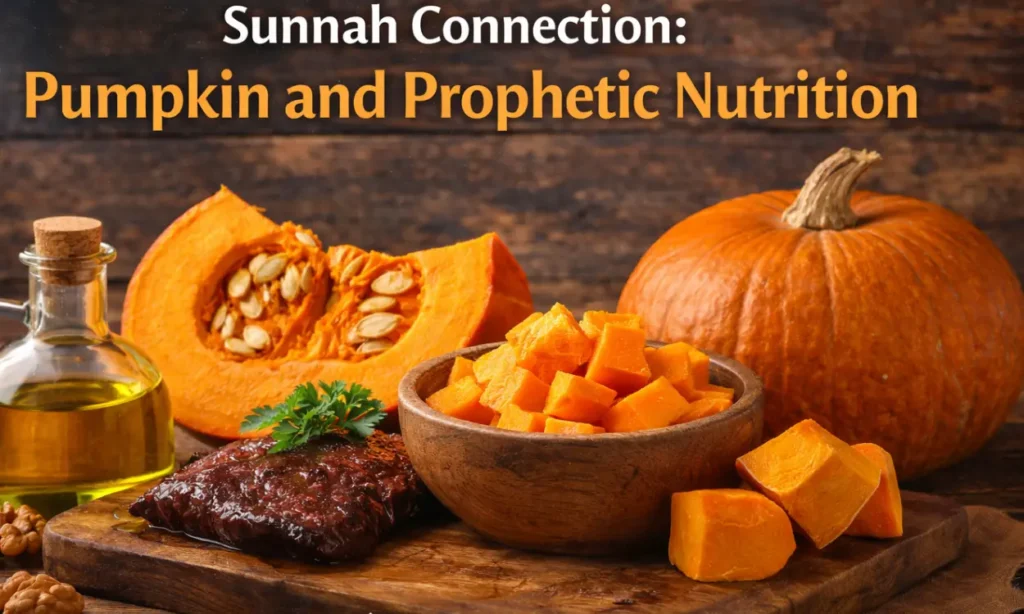
The Prophet ﷺ loved pumpkin, also known as dubba, and this choice carries deep nutritional wisdom. Pumpkin is rich in beta-carotene, a powerful precursor to vitamin A. This compound supports eye health, immunity, and skin repair. Prophetic nutrition consistently aligns with modern nutritional science. Such foods nourish both the body and the soul.
Pumpkin is easy to digest, versatile in cooking, and suitable for all age groups. It supports gut health while delivering essential antioxidants. Including pumpkin in soups, stews, or roasted dishes is a simple way to increase vitamin A benefits. This Sunnah-based food choice reminds us that healing often lies in simplicity. Faith-aligned nutrition encourages mindful eating rooted in balance and moderation.
Pro Tip: How to Absorb Vitamin A Properly
Vitamin A is a fat-soluble vitamin, meaning it requires dietary fat for absorption. Consuming vitamin A foods without fat significantly reduces their effectiveness. Healthy fats like olive oil, ghee, nuts, and seeds enhance absorption at the intestinal level. This small adjustment can dramatically improve nutrient uptake. Many people remain deficient simply due to poor absorption, not low intake.
Pairing carrots with olive oil or pumpkin with ghee improves bioavailability. Egg yolks naturally contain fat, making them an excellent vitamin A source. Avoid extremely low-fat diets if your goal is nutrient sufficiency. Proper absorption ensures you receive the full vitamin A benefits from your meals. Simple food combinations can make a powerful nutritional difference.
Interesting Fact: Vitamin A and Immune Intelligence
Vitamin A benefits extend to immune “intelligence,” not just strength. It helps immune cells recognize harmful pathogens more efficiently. This nutrient supports the differentiation of immune cells that coordinate defense responses. Without vitamin A, immune signaling becomes slower and less precise. This explains why deficiency increases infection risk.
A well-nourished immune system responds faster and recovers more effectively. Vitamin A also helps regulate inflammation, preventing excessive immune reactions. Balanced immunity protects without causing unnecessary tissue damage. This nutrient acts as a communication tool within the immune system. Adequate vitamin A intake supports resilience against everyday illnesses.
Vitamin A Benefits: Why It Deserves Daily Attention
Vitamin A benefits touch nearly every system in the body, from vision to immunity and cellular repair. Choosing whole foods over supplements ensures safer and more effective intake. Prophetic nutrition highlights that wisdom and nourishment often coexist in simple foods. By focusing on absorption, balance, and variety, you can prevent deficiency naturally. Small dietary changes can lead to lasting health improvements.
If you learned something new, reflect on how you can apply it to your daily meals. Awareness is the first step toward better nutrition. Share this knowledge to help others benefit as well. Food truly is medicine when used with intention and understanding. Let vitamin A be a reminder that optimal health begins on your plate.
FAQs
1. What are the main vitamin A benefits?
Vitamin A benefits include improved eyesight, stronger immunity, healthy skin, and proper cell growth. It supports night vision and protects the body by maintaining healthy skin and mucosal barriers. Vitamin A also plays a key role in immune function and gut lining integrity. Adequate intake helps reduce infection risk and supports overall cellular health. These benefits are best achieved through whole food sources.
2. What foods are high in vitamin A?
Foods rich in vitamin A include liver, egg yolks, and full-fat dairy products. Plant-based sources such as carrots, sweet potatoes, pumpkin, spinach, and kale provide beta-carotene, which the body converts into vitamin A. Liver is the most concentrated source and should be consumed in moderation. Combining animal and plant sources ensures balanced intake. Whole foods are safer than supplements for meeting vitamin A needs.
3. Can vitamin A deficiency still occur today?
Yes, vitamin A deficiency is still common, especially in people with digestive disorders or restrictive diets. Poor fat absorption, chronic gut issues, and low intake of animal foods increase the risk. Symptoms may include night blindness, frequent infections, dry skin, and slow wound healing. Children and pregnant women are more vulnerable to deficiency. A food-first approach helps prevent long-term complications.
4. Is too much vitamin A harmful?
Excess vitamin A can be harmful when consumed in supplement form, particularly preformed vitamin A (retinol). High doses may lead to toxicity and are especially dangerous during pregnancy. Food sources are generally safe because beta-carotene converts only as needed by the body. This natural regulation prevents overdose. Supplements should only be used under professional guidance.
5. Is vitamin A safe during pregnancy?
Vitamin A is essential during pregnancy, but intake must be carefully managed. Excess retinol from supplements or frequent liver consumption can be harmful. Beta-carotene from fruits and vegetables is considered safe. Pregnant women should focus on plant-based vitamin A sources unless advised otherwise by a healthcare provider. Balanced intake supports fetal development safely.
6. Why should vitamin A be consumed with fat?
Vitamin A is a fat-soluble vitamin, meaning it requires dietary fat for proper absorption. Consuming vitamin A foods without fat reduces their bioavailability. Healthy fats like olive oil, ghee, nuts, and seeds improve absorption. This is especially important for people with digestive issues. Pairing vitamin A foods with fat maximizes their benefits.
7. What is the difference between retinol and beta-carotene?
Retinol is preformed vitamin A found in animal products, while beta-carotene is a plant-based precursor. The body converts beta-carotene into vitamin A only when needed. Retinol is more potent but can be toxic in excess. Beta-carotene is safer for regular intake. Both forms contribute to vitamin A benefits when consumed appropriately.
8. How do Vitamin A Benefits support the immune system?
Vitamin A helps immune cells recognize and respond to pathogens effectively. It strengthens the skin and mucosal barriers that prevent infections. The vitamin also regulates immune cell development and communication. Deficiency weakens immune responses and increases infection risk. Adequate intake supports balanced and efficient immunity.
9. Is pumpkin really a good source of vitamin A?
Yes, pumpkin is an excellent source of beta-carotene, a vitamin A precursor. It supports eye health, immunity, and skin repair. Pumpkin is easy to digest and suitable for all age groups. Its inclusion aligns with prophetic nutrition, as it was loved by the Prophet ﷺ. Pumpkin offers both nutritional and spiritual wisdom.
10. Should I take vitamin A supplements daily?
Most people do not need daily vitamin A supplements if their diet is balanced. Whole foods provide sufficient vitamin A without toxicity risk. Supplements may be necessary only in diagnosed deficiency cases. Long-term unsupervised use can be harmful. Always prioritize food sources and consult a healthcare professional before supplementing.