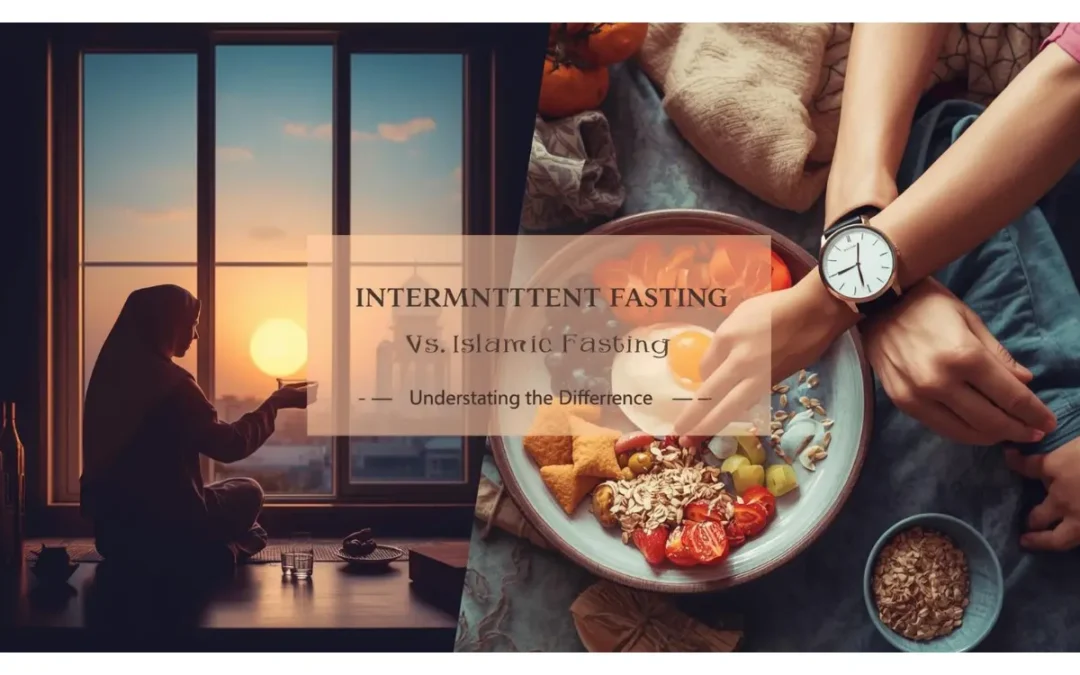
Fasting is not just about skipping meals it’s about discipline, purpose, and balance. When we compare intermittent fasting vs Islamic fasting, both share amazing benefits but have completely different goals. Intermittent fasting has become a global trend for fitness and weight loss, while Islamic fasting holds deep spiritual and cultural value. Yet, both fasting types improve health, boost metabolism, and increase self-control. Understanding the difference helps you choose what works best for your body and beliefs.
Many people confuse intermittent fasting with Ramadan fasting, but the two are not the same. Intermittent fasting is a time-restricted eating pattern, while Islamic fasting is a religious act of devotion. The first focuses on metabolism and body weight, and the second focuses on faith and soul purification. Both, however, teach patience and gratitude. Let’s dive deeper into what sets them apart and what they share in common.
Difference Between Intermittent Fasting and Islamic Fasting
1. Fasting Duration and Rules
In intermittent fasting vs Islamic fasting, timing is the biggest difference. Intermittent fasting usually follows patterns like 16:8, 5:2, or alternate-day fasting. This means eating for a few hours and fasting the rest of the day often with water and sometimes even coffee allowed. In contrast, Islamic fasting during Ramadan follows sunrise to sunset, allowing no food or water during daylight hours. This makes it both a spiritual and physical discipline.
Here’s a quick comparison:
Aspect
Intermittent Fasting
Islamic Fasting (Ramadan)
Food/Drink
Water allowed
No food or drink
Duration
Flexible (e.g., 16 hours)
Sunrise to sunset
Purpose
Health & weight control
Faith & self-control
Days
Optional / daily
One lunar month
Meals
Anytime in eating window
Only at Suhoor & Iftar
2. Purpose and Motivation
The motivation behind intermittent fasting vs Islamic fasting defines their true difference. Intermittent fasting is often done for health reasons to lose weight, balance hormones, or improve insulin sensitivity. People choose it to boost energy and metabolism. Islamic fasting, however, is commanded by faith, aiming to strengthen spirituality, empathy, and gratitude toward Allah. The goal is to train the soul, not just the stomach.
Both fasting types build discipline and patience. While one focuses on calorie balance, the other focuses on inner peace and obedience. You may say intermittent fasting benefits your body, and Islamic fasting benefits your soul yet both together can improve your overall lifestyle. The combination of both helps a person stay mindful in eating and living.
3. Health Benefits and Body Reactions
Both types of fasting trigger amazing changes in the body. In intermittent fasting vs Islamic fasting, the body enters a state called autophagy, where old cells are cleaned out, improving immunity and cell renewal. Fasting also reduces inflammation, balances blood sugar, and improves brain function. Intermittent fasting allows water intake, making fat-burning and detox easier. Islamic fasting, though dry, teaches the body to adapt to thirst and hunger naturally.
Studies show that Ramadan fasting can reduce cholesterol, stabilize blood pressure, and improve digestion. Similarly, intermittent fasting helps regulate circadian rhythm and supports healthy weight management. Both lower the risk of chronic diseases and strengthen metabolism. When practiced wisely, fasting is one of the simplest and most natural ways to heal and refresh your body from within.
4. Spiritual and Emotional Impact
Islamic fasting focuses deeply on the spiritual side of life. Muslims fast to obey Allah, practice self-control, and increase empathy for the less fortunate. It teaches patience, gratitude, and the real meaning of sacrifice. Intermittent fasting, on the other hand, is not spiritual but can still promote emotional balance and focus. Many people feel calmer, more productive, and more aware during fasting periods.
In the comparison of intermittent fasting vs Islamic fasting, both strengthen mental discipline. Islamic fasting connects you with your faith, while intermittent fasting connects you with your body’s natural rhythm. Both encourage mindfulness and reduce stress. In a world full of distractions, fasting brings clarity physically, mentally, and spiritually.
5. Nutrition During Eating Windows
What you eat after fasting matters the most. In intermittent fasting, the eating window usually includes high-protein meals, fruits, and balanced macros for energy recovery. Water and herbal teas are encouraged. In Islamic fasting, Suhoor (pre-dawn meal) and Iftar (evening meal) are essential. They include nutritious Sunnah foods like dates, milk, lentils, and fruits that keep the body strong and hydrated.
Here are examples of healthy food choices:
Suhoor: oats with milk, fruits, eggs, water
Iftar: dates, soup, salad, grilled meat, and yogurt
For Intermittent Fasting: smoothies, nuts, eggs, rice bowls, and vegetables
Eating whole, natural foods prevents fatigue and helps maintain stable energy levels. Whether fasting for health or faith, your post-fast meal decides your energy, focus, and recovery.
What’s Common Between Intermittent and Islamic Fasting
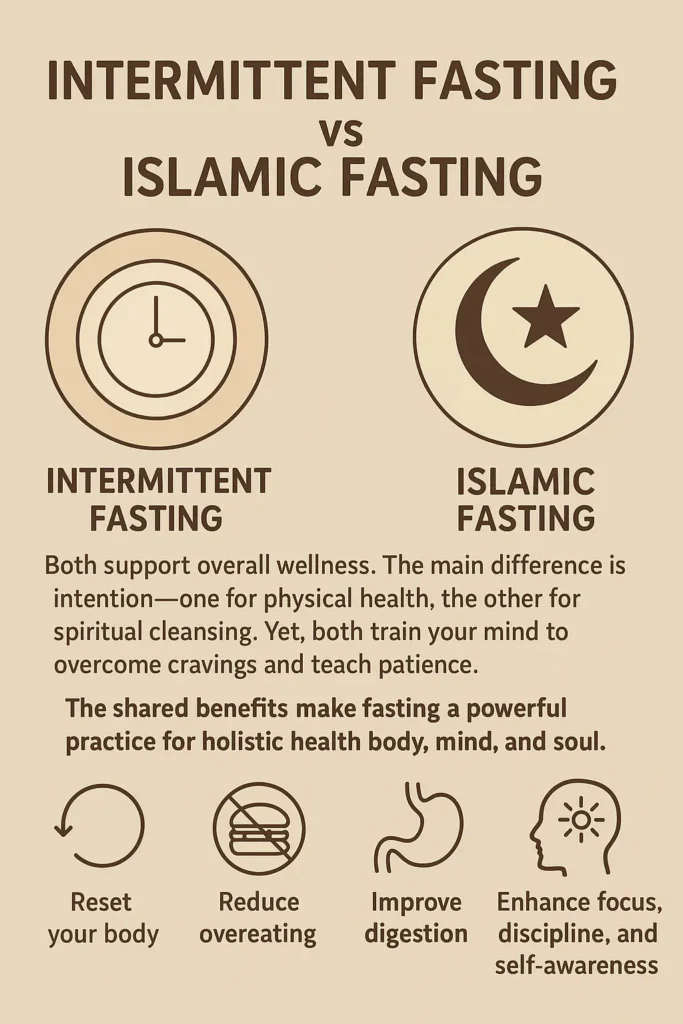
While they differ in purpose and rules, both fasting types share many health and emotional benefits. Both help you reset your body, reduce overeating, and improve digestion. They also enhance focus, discipline, and self-awareness. The human body responds positively to controlled fasting, whether for spiritual or health purposes. In both cases, moderation and hydration are key to maintaining balance.
When comparing intermittent fasting vs Islamic fasting, it’s clear that both support overall wellness. The main difference is intention one for physical health, the other for spiritual cleansing. Yet, both train your mind to overcome cravings and teach patience. The shared benefits make fasting a powerful practice for holistic health body, mind, and soul.
FAQs
1. How is intermittent fasting different from Ramadan fasting?
Intermittent fasting allows water and often focuses on weight loss. Islamic fasting during Ramadan restricts both food and drink from sunrise to sunset and focuses on spiritual growth.
2. Can Muslims follow intermittent fasting outside Ramadan?
Yes, Muslims can practice intermittent fasting for health outside Ramadan. It must respect Islamic guidelines and avoid neglecting religious obligations.
3. Does intermittent fasting break Islamic fasting rules?
If done during Ramadan, yes, because it allows water or food in hours that must remain dry. But outside Ramadan, it can be a personal health choice.
4. Which fasting method is better for weight loss?
Intermittent fasting is more effective for weight management because of flexible eating windows. Islamic fasting improves self-control and reduces overeating but is mainly spiritual.
5. What should I eat during Suhoor and Iftar for balanced energy?
Eat fiber-rich foods, lean proteins, fruits, and water-dense foods. Avoid fried or overly sweet meals to maintain stable energy during fasting hours.
Conclusion
In the debate of intermittent fasting vs Islamic fasting, both stand strong in their own ways. Intermittent fasting promotes metabolic health and physical fitness. Islamic fasting strengthens faith, patience, and emotional balance. Practicing either or combining mindful elements of both leads to a healthier, more disciplined life. The best fast is the one that nourishes both your body and your soul.
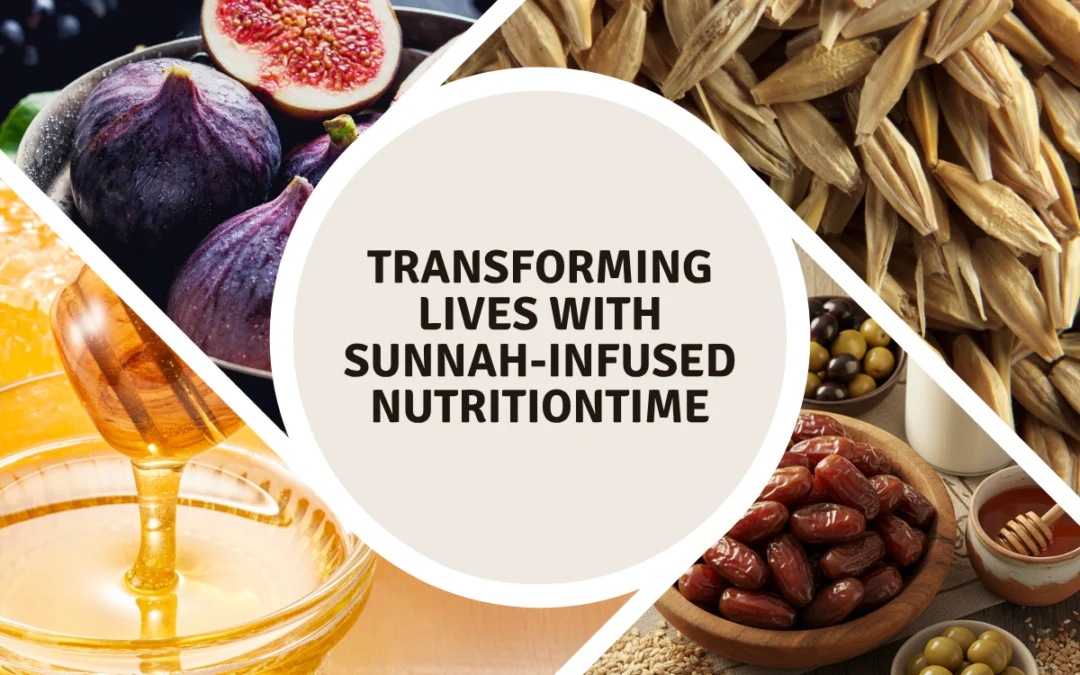
Modern life has distanced us from nature’s rhythms and the mindful eating practices taught by our faith. Processed foods, irregular meal times, and stress have left many of us struggling with fatigue, digestive issues, and loss of vitality. Despite countless “quick-fix” diets, sustainable health often remains elusive. This imbalance goes beyond the body it affects our emotions and spirituality. Many people eat to fill their stomachs, not to nourish their souls. The wisdom of the Sunnah, which emphasizes moderation, gratitude, and pure foods, has been overshadowed by convenience-driven habits. The answer lies in Transforming Lives with Sunnah-Infused Nutrition a balanced lifestyle rooted in prophetic teachings and modern nutritional science. This holistic approach restores harmony between your physical, emotional, and spiritual health. By eating the way our Prophet ﷺ taught, you can experience improved digestion, stronger immunity, clearer skin, and deeper spiritual contentment.
1. Understanding the Concept of Sunnah-Infused Nutrition
Sunnah-Infused Nutrition isn’t just about what you eat it’s about how, when, and why you eat. It combines the timeless dietary practices of the Prophet ﷺ with evidence-based modern nutrition to create a sustainable path to wellness.
In prophetic tradition, eating with mindfulness and moderation is considered an act of worship. The Sunnah encourages foods that are natural, pure, and balanced—foods that nourish the body without burdening it. Modern science now validates these principles, proving that mindful eating improves digestion, stabilizes hormones, and supports mental clarity.
The Core Principles of Sunnah-Infused Eating
Moderation: Practicing moderation is key to balanced eating. The Prophet (PBUH) advised, “Fill one-third of your stomach with food, one-third with water, and leave one-third empty.” This simple yet profound guideline not only prevents overeating but also promotes better digestion and overall well-being.
Gratitude: Begin each meal with Bismillah (In the name of Allah) to acknowledge the blessing of sustenance, and end with Alhamdulillah (All praise is due to Allah) to express gratitude for the nourishment provided. Cultivating spiritual mindfulness during meals fosters a deeper connection to your food, enhances digestion, and leaves you feeling more content and satisfied.
Natural Choices: Embrace whole, unprocessed foods that align with the Sunnah, such as dates, honey, grains, fruits, and healthy oils. These natural options not only offer essential nutrients but also uphold a pure and wholesome way of eating, free from the additives and artificial ingredients found in heavily processed foods.
Health Benefits of Following Sunnah Nutrition
Improves gut health by encouraging the consumption of natural, fiber-rich foods like dates and barley, which help reduce bloating, constipation, and other digestive issues.
Boosts metabolism and energy naturally through wholesome ingredients that are nutrient-dense, such as honey, which provides a quick and sustained energy source.
Promotes emotional balance and mindfulness by encouraging intentional eating practices, focusing on gratitude and moderation during meals, which can lead to a healthier relationship with food.
Enhances immunity and skin health through the consumption of foods rich in antioxidants and essential nutrients, like honey and olive oil, which support the body’s natural defenses and improve overall well-being.
How Sunnah Nutrition Aligns with Modern Science
Modern scientific studies confirm that natural foods emphasized in Sunnah nutrition, such as dates, barley, and honey, play a vital role in health. For example, dates and barley promote gut microbiome diversity, which is essential for a healthy digestive system, while honey helps stabilize blood sugar levels and provides antioxidants. These antioxidants protect the body from oxidative stress, reducing the risk of chronic diseases and supporting long-term health.
2. Key Sunnah Foods That Promote Digestive and Spiritual Wellness
The Prophet ﷺ recommended several foods known for their healing and nutritional value. These Sunnah superfoods not only strengthen the body but also restore spiritual harmony.
Dates (Ajwa, Medjool, or Regular)
Dates are a true powerhouse of nutrition, celebrated for their rich content of dietary fiber, essential potassium, and a variety of powerful antioxidants. Their inherent natural sweetness offers a steady, sustained release of energy throughout the day, providing a wholesome alternative to foods high in refined sugars.
Health Benefits:
Digestive Health: The significant fiber content in dates plays a crucial role in improving bowel regularity and effectively relieving constipation, contributing to overall gut health.
Energy and Vitality: Dates are known to boost iron levels, which in turn helps combat feelings of fatigue and lethargy, contributing to increased vitality.
Cardiovascular Support: Rich in potassium and magnesium, dates actively contribute to strengthening heart health, supporting proper cardiovascular function.
Sunnah Tip:
Following the Sunnah, it is highly recommended to break your fast by consuming three dates. This practice not only helps to gently stabilize blood sugar levels after a period of fasting but also aids in hydrating your body in a balanced and natural way.
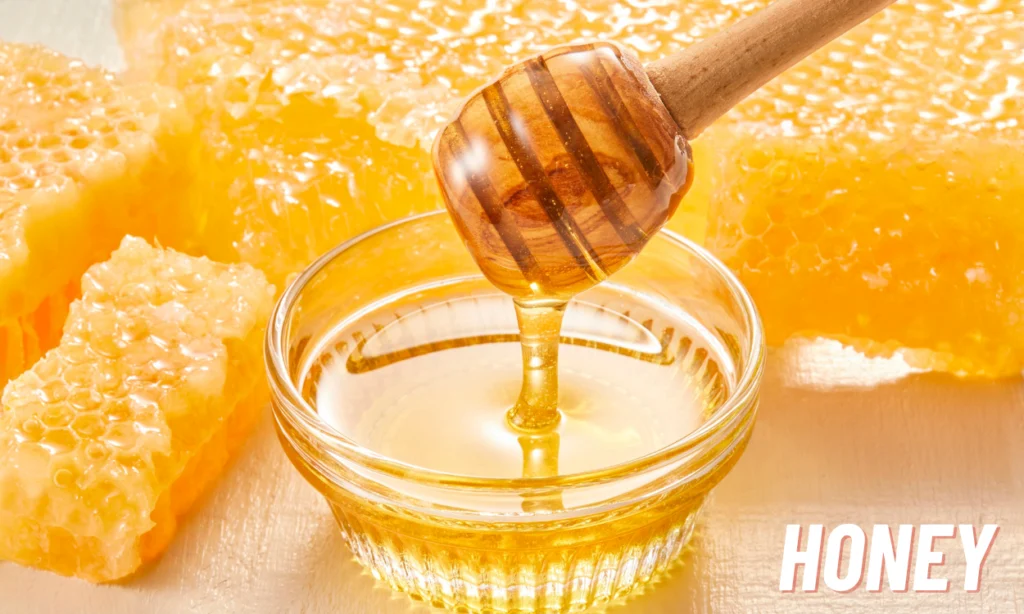
Honey
Honey is revered in both the Qur’an and Hadith as a healing substance, a testament to its profound benefits. This natural sweetener is much more than just sugar; it is packed with beneficial enzymes, powerful antioxidants, and effective antibacterial compounds, all working synergistically to support the body’s well-being.
Health Benefits:
Acts as a natural prebiotic, which means it nourishes the beneficial bacteria in your gut, fostering a healthy and balanced digestive environment.
Soothes the stomach lining and helps to reduce inflammation throughout the digestive tract, offering relief from irritation.
Boosts immune response by providing essential nutrients that strengthen the body’s defenses and supports the natural process of wound healing when applied topically or consumed.
Sunnah Tip:
Incorporate this blessed food into your daily routine by mixing 1 teaspoon of raw honey into warm water each morning. This simple practice offers a gentle detox and helps to kickstart your hydration.
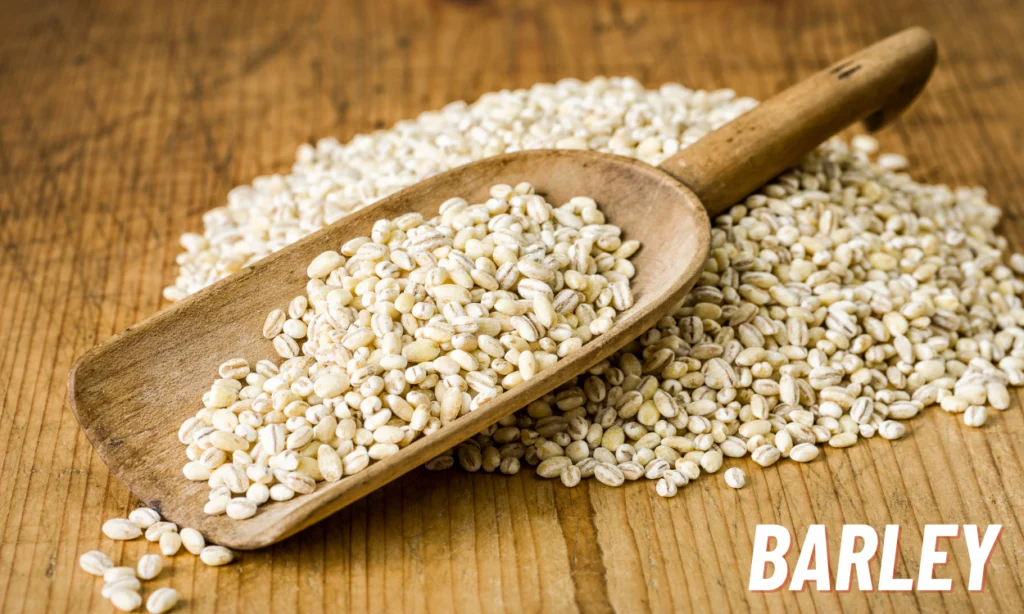
Barley (Talbina or Barley Water)
The Prophet ﷺ lauded barley soup (talbina) as a source of comfort for both the body and soul, highlighting its soothing properties. This ancient grain is particularly rich in beta-glucans, a soluble fiber known for its significant role in supporting digestive health and maintaining healthy cholesterol levels.
Health Benefits:
Promotes digestive regularity with its high soluble fiber content, aiding in smooth digestion and preventing constipation.
Supports gut-friendly bacteria by acting as a prebiotic, which in turn enhances satiety, helping you feel fuller for longer and manage appetite.
Helps manage blood sugar and cholesterol levels, making it a valuable food for cardiovascular health and metabolic balance.
Sunnah Tip:
Regularly consume barley water, perhaps twice a week, to naturally cleanse your system and help cool internal heat, aligning with traditional practices for bodily balance.
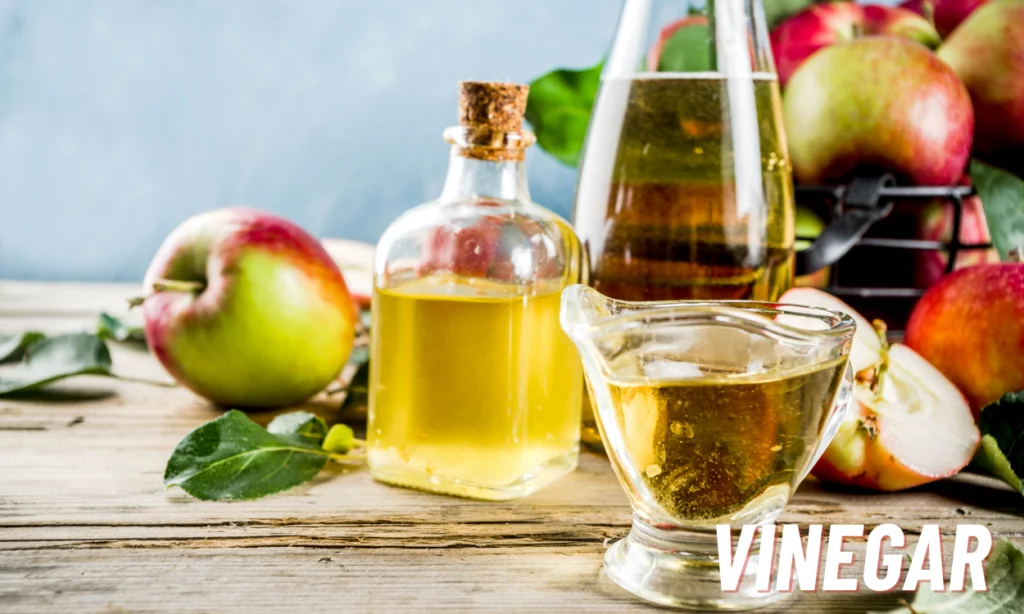
Vinegar
The Prophet ﷺ famously declared, “What an excellent condiment vinegar is!” (Muslim), underscoring its value not just as a flavoring but for its health benefits. Vinegar is known to aid digestion, enhance the absorption of vital nutrients from food, and help in balancing stomach acid for optimal gastric function.
Health Benefits:
Enhances metabolism, contributing to efficient energy use, and helps to control sugar spikes after meals, promoting stable blood glucose levels.
Supports fat digestion and can actively reduce bloating and discomfort after eating, leading to a more comfortable digestive experience.
Provides mild antimicrobial effects for gut health, helping to maintain a balanced microbial environment within the digestive system.
Sunnah Tip:
Integrate vinegar into your diet by using it as a vibrant salad dressing, or dilute 1 tablespoon in water and consume it before meals to harness its digestive advantages.
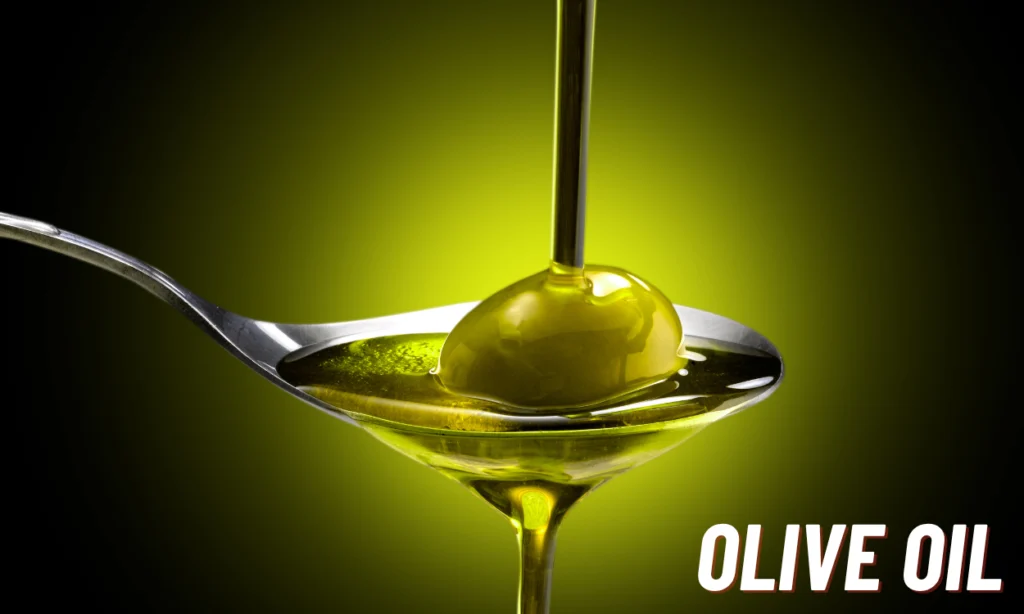
Olive Oil
Referred to in the Qur’an as coming from a “blessed tree,” olive oil is celebrated for its ability to nourish the heart, promote healthy skin, and support brain function, making it a cornerstone of a healthy diet.
Health Benefits:
Rich in monounsaturated fats, which are healthy fats known to support heart health and maintain good cardiovascular function.
Contains powerful antioxidants that actively fight inflammation throughout the body, protecting cells from oxidative damage.
Improves nutrient absorption, particularly for fat-soluble vitamins, and supports joint health by reducing inflammation and promoting flexibility.
Sunnah Tip:
Always opt for extra virgin olive oil for cooking to preserve its nutritional integrity, or use it as a natural moisturizer for skin and hair care, embracing its versatile benefits.
3. The Science of Gut Health in Sunnah Nutrition
Your gut, often referred to as your “second brain,” plays a crucial role in overall health and well-being. Sunnah foods are naturally rich in essential nutrients like fiber, enzymes, and antioxidants that support a balanced and healthy gut microbiome. These nutrients work hand-in-hand to promote a thriving environment for beneficial bacteria, which is key to maintaining gut health.
When your gut is in balance, your body becomes more efficient at absorbing vital nutrients, which in turn improves your energy levels, mood, and overall physical health. Foods like honey, barley, and dates staples of Sunnah nutrition act as natural prebiotics that nourish and support the growth of good bacteria in the digestive system.
How Gut Health Affects the Whole Body
Immunity: Your gut is home to over 70% of the immune cells in your body, making it a central hub for your immune system. A healthy gut strengthens your body’s ability to fight infections and illnesses.
Mood: The gut is directly connected to the brain through the gut-brain axis. Certain gut bacteria influence the production of serotonin, often referred to as the happiness hormone, which plays a vital role in regulating mood and emotional well-being.
Detox: A well-maintained gut acts as a natural filter, efficiently removing toxins and waste from the body, while also reducing inflammation and supporting overall detoxification processes.
Transforming Lives with Sunnah-Infused Nutrition for Gut Health
Incorporating Sunnah foods into your daily diet can be life-changing. Regular consumption of these nutrient-dense foods can help alleviate digestive discomfort, such as bloating or irregularity, while also restoring natural energy levels. Furthermore, they provide essential support for your immune system, boosting your body’s natural defenses against illness. By embracing Sunnah-infused nutrition, you can create a balanced, healthier lifestyle that aligns with holistic well-being.
Best Sunnah Foods for Gut Healing
Dates & Barley: Packed with dietary fiber, these foods promote digestive regularity and ensure that your gut stays active and healthy.
Honey: A natural prebiotic that feeds and strengthens beneficial microbes in the gut, improving overall gut function.
Vinegar & Olive Oil: These foods help regulate stomach acid levels, improve digestion, and enhance the absorption of nutrients, making them essential components of a gut-healing diet.
Through the simple yet powerful inclusion of Sunnah foods in your daily routine, you can nurture your gut, improve your well-being, and live a more vibrant, fulfilling life.
4. From Physical Nourishment to Spiritual Transformation
Sunnah nutrition extends beyond physical wellness—it’s a spiritual act of balance and gratitude. Eating mindfully brings barakah (blessing) to your food.
When you follow prophetic eating habits—such as sitting while eating, eating with your right hand, and stopping before fullness—you develop patience and mindfulness. This state of calm enhances digestion and emotional clarity.
Mindful Eating in the Sunnah
Eat slowly and chew thoroughly.
Avoid waste and excess.
End meals with gratitude and remembrance.
Emotional and Spiritual Benefits
Reduces stress and emotional eating.
Strengthens self-control and mindfulness.
Deepens your spiritual connection through gratitude.
Healing the Modern Lifestyle
Adopting Sunnah habits helps you escape the chaos of diet culture and return to a peaceful, faith-centered relationship with food.
5. How to Start Your Sunnah-Infused Wellness Journey
Starting your Sunnah nutrition journey is simple and joyful. You don’t need to change everything overnight—start small and stay consistent.
Step-by-Step Plan
Start your day with Nabeez (soaked dates in water overnight).
Replace snacks with dates and nuts instead of processed foods.
Add honey and olive oil to your meals for energy and nourishment.
Use vinegar in salads or as a digestive tonic.
Make talbina (barley porridge) once or twice a week for comfort and cleansing.
Sustainable Transformation Begins Within
This journey isn’t just about food it’s about balance, discipline, and gratitude. Every mindful meal brings you closer to wellness and spiritual serenity.
Ready for Personalized Guidance? Book Your Consultation!.
Ready to embrace Transforming Lives with Sunnah-Infused Nutrition in your daily life? This unique approach helps you align your diet with timeless wisdom, promoting holistic well-being. To take the first step towards a healthier, more balanced you, visit **ilhamMalick today. Don’t wait to start your journey; book your consultation now to unlock your full potential. Through a one-on-one session, you’ll receive a truly customized Sunnah-based nutrition plan. This isn’t a one-size-fits-all solution; your plan will be meticulously designed to fit your unique body type, personal health goals, and current lifestyle, ensuring practical and sustainable results.
Conclusion: Embrace the Barakah of Sunnah Nutrition
Transforming Lives with Sunnah-Infused Nutrition is more than a wellness trend it’s a return to divine wisdom. By incorporating prophetic foods and mindful eating habits into your routine, you heal from the inside out physically, emotionally, and spiritually.
Take the first step towards a balanced life today. Reconnect with your faith through your food, nurture your gut with nature’s blessings, and rediscover the harmony your body was designed to feel. 👉 VisitilhamMalick and book your consultation to begin your transformation.
FAQs
1. What is Sunnah-Infused Nutrition?
It’s a holistic approach that combines prophetic dietary guidance with modern nutrition science to promote physical, emotional, and spiritual well-being.
2. What foods are recommended in the Sunnah?
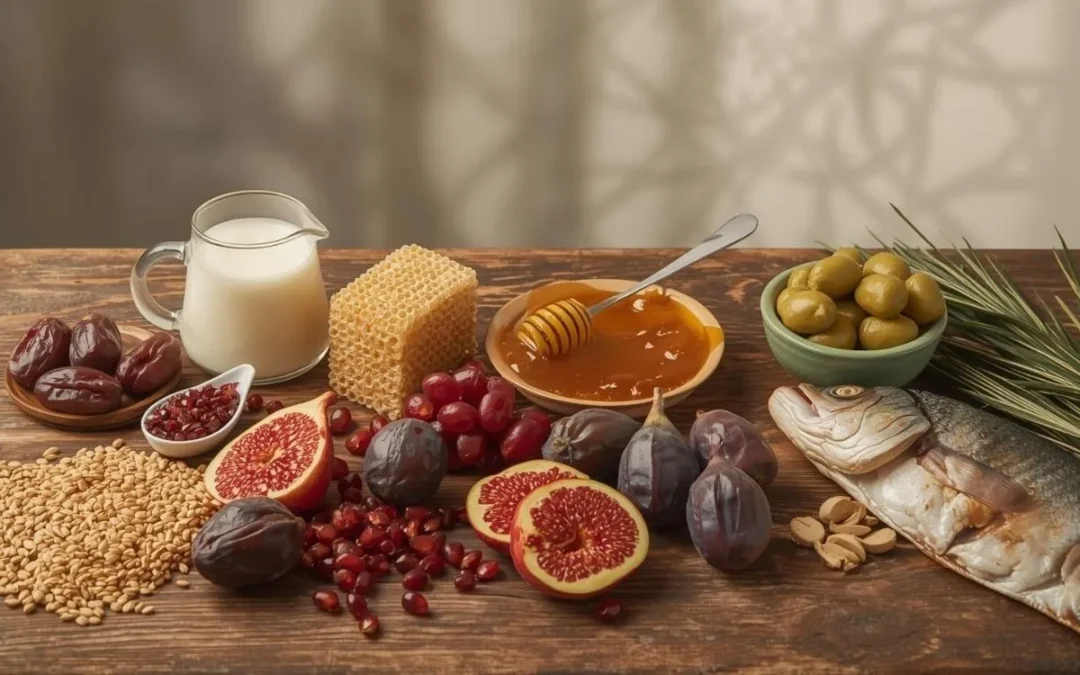
Common Sunnah foods include dates, honey, barley, olive oil, vinegar, milk, figs, and water each offering unique health and healing benefits.
3. Can Sunnah foods improve digestion?
Yes. Foods like dates, barley, and honey are rich in fiber and enzymes that enhance digestion and support a healthy gut microbiome.
4. Is this suitable for people with health conditions like diabetes or acidity?
Yes—with moderation and professional guidance. Consult a nutritionist before making changes to ensure safe integration based on your health needs.
5. How can I get a personalized Sunnah nutrition plan?
You can book a one-on-one consultation with Ilham Malick for a customized plan that aligns with your health goals and spiritual values. 👉Book your consultation here
Good health is one of Allah’s greatest blessings, and Islam teaches that caring for your body is part of your faith. Knowing the key nutrients every Muslim needs helps you stay healthy, strong, and spiritually mindful. In today’s world, many people face nutrient deficiencies due to modern eating habits and processed foods. The Quran and Sunnah offer timeless wisdom, highlighting natural foods rich in essential nutrients. By learning how to balance your meals with these Quranic foods, you can strengthen both your body and soul.
1. The Islamic View on Nutrition
In Islam, eating is not just a physical act — it’s a spiritual one. The Prophet Muhammad ﷺ encouraged moderation, choosing Halal and pure foods, and expressing gratitude for every bite. The key nutrients for Muslims include essential vitamins, minerals, and healthy fats that maintain energy and overall health. When Muslims follow Quranic guidance on food, they nourish both their body and their Imaan. A balanced Islamic diet rooted in Sunnah principles helps prevent disease and promotes long-term well-being.
2. Why Understanding Nutrients Matters
Despite access to diverse foods, many Muslims struggle with poor nutrition because of processed diets, skipped meals, and lack of awareness. This leads to deficiencies in iron, vitamin D, calcium, and other key nutrients. Learning about the essential nutrients your body needs helps you make better food choices. These nutrients support immunity, brain health, and energy — all vital for a productive, faith-centered lifestyle. The good news is that the Quran mentions many foods that provide exactly what your body requires.
3. The 10 Key Nutrients Every Muslim Should Know
Below are the 10 essential nutrients Muslims need, along with Quranic or Sunnah-inspired foods that provide them naturally:
Nutrient
Why It’s Important
Quranic or Sunnah Food Source
1. Protein
Builds muscles and repairs tissues
Fish, Milk, Lentils
2. Iron
Prevents fatigue and anemia
Dates, Pomegranate
3. Calcium
Strengthens bones and teeth
Milk, Figs
4. Vitamin D
Supports bone and immune health
Fish, Eggs
5. Vitamin C
Boosts immunity and skin health
Grapes, Citrus Fruits
6. Fiber
Improves digestion
Barley, Whole Grains
7. Potassium
Regulates blood pressure
Bananas, Dates
8. Omega-3 Fatty Acids
Improves brain and heart function
Fish, Olive Oil
9. Antioxidants
Protects cells from damage
Honey, Pomegranate
10. Zinc
Strengthens immunity and healing
Honey, Seeds
These essential nutrients are easy to obtain from natural, wholesome foods that align with Islamic principles.
4. Quranic Foods That Provide Key Nutrients
The Quran mentions several foods known for their healing and nourishing qualities. These are not only symbols of spiritual purity but also scientifically proven sources of vital nutrients.
Dates
Packed with iron, potassium, and fiber, dates boost energy and support blood health. They’re ideal for breaking fasts and make a perfect natural snack.
Honey
Described in the Quran as “a healing for mankind,” honey contains antioxidants and trace minerals that strengthen immunity and combat fatigue.
Milk
A balanced source of protein, calcium, and vitamin B12, milk supports bone health and provides steady energy throughout the day.
Olives
The olive is called a blessed fruit in the Quran. It provides healthy fats and vitamin E — vital for heart, brain, and skin health.
Barley
Highly recommended by the Prophet ﷺ, barley promotes digestion and cleansing. Its fiber and selenium content help reduce cholesterol and maintain gut health.
Including these Quranic foods in your daily meals helps you fulfill your nutritional needs naturally while following the Sunnah.
5. How to Overcome Nutrient Deficiencies
Even with access to nutritious foods, modern lifestyles often lead to nutrient gaps. Here’s how you can restore balance:
Eat more fresh fruits and vegetables daily.
Include fish and eggs at least twice a week.
Replace refined flour with barley or whole grains.
Drink milk or yogurt daily for calcium.
Use olive oil instead of unhealthy fats.
These small changes bring your diet closer to Islamic principles while ensuring your body gets all the essential nutrients it needs.
6. How to Maintain a Balanced Islamic Diet
Islamic nutrition emphasizes balance, moderation, and gratitude. Prophet Muhammad ﷺ advised filling one-third of your stomach with food, one-third with water, and leaving one-third empty. This Sunnah prevents overeating and improves nutrient absorption.
A balanced plate should include:
Protein: fish, beans, milk
Fruits: pomegranate, figs, dates
Grains: barley, oats, corn
Healthy fats: olive oil, nuts
Mindful eating keeps your diet balanced and your heart grateful — nourishing both body and soul.
1. What are the most important nutrients for Muslims?
Protein, calcium, iron, vitamin D, and healthy fats are crucial for maintaining strength and preventing deficiencies.
2. How can I get these nutrients naturally?
Include milk, fish, honey, barley, and olives regularly. These Quranic foods are nutrient-rich and easy to include in daily meals.
3. Are supplements necessary?
Most nutrients can be obtained naturally through a balanced Islamic diet. Use supplements only after consulting a doctor.
4. What causes nutrient deficiencies today?
Common causes include processed foods, lack of variety, and skipping balanced meals. Focusing on natural, Sunnah-inspired foods can help.
5. How can Islamic teachings improve eating habits?
Islam promotes moderation, gratitude, and purity in food. Following these principles encourages mindful eating and long-term wellness.
Conclusion
Health is an Amanah, a sacred trust from Allah and it’s our duty to care for it. By understanding the 10 key nutrients every Muslim should know, you can nourish your body and strengthen your Imaan. The foods mentioned in the Quran — milk, honey, dates, barley, and olives are not just blessings but natural sources of healing. When you eat with mindfulness and gratitude, you experience true balance: physical vitality, emotional peace, and spiritual growth.