
Introduction: The Forgotten Power of Barley
In today’s fast-paced world, we often overlook the significance of whole grains in our diets. Yet, our beloved Prophet Muhammad ﷺ demonstrated through his simple yet profound eating habits the tremendous benefits of foods in their most natural forms. Barley, a staple in the Prophet’s ﷺ diet, holds immense nutritional value and serves as a timeless reminder of how eating close to nature can bring physical and spiritual nourishment. This ancient grain was not refined, and the Prophet ﷺ and his companions ate it in its wholesome, unprocessed form. One of the most iconic ways barley was consumed was through Barley Roti, a simple yet nourishing bread that reflects the Prophet’s ﷺ commitment to wholesome, natural foods. Reviving the Sunnah of barley in modern diets can help us reclaim not just health but also a deep connection to our Islamic traditions, providing a powerful reminder of the timeless wisdom found in our Prophet’s ﷺ dietary practices.
The Simplicity of the Prophet’s ﷺ Diet
The Prophet ﷺ lived a life of simplicity, and his diet was no exception. The hadith in Sahih al-Bukhari tells us that the Prophet ﷺ did not use refined flour, but instead, barley was a regular part of his meals. Even more telling, the barley wasn’t sifted, but rather the husk was simply blown off, keeping the flour as close to its natural form as possible. This shows the wisdom of consuming foods in their most natural state, as they are not only more nutritious but also provide the most benefit for our health. The simplicity of the Prophet’s ﷺ eating habits teaches us the value of wholesome, unprocessed foods, which are filled with barakah (blessings).
The Power of Whole Grains: Why Barley is Special
Barley is one of the most ancient and nutritious grains known to humankind. Unlike refined grains, whole barley retains all of its essential nutrients, making it a powerhouse for your health. Whole grains like barley are rich in fiber, vitamins, and minerals that are crucial for overall well-being. They are also packed with antioxidants, which help protect the body against oxidative stress and cellular damage. Barley is a great source of B vitamins, including thiamine, which helps convert food into energy and supports the nervous system.
Health Benefits of Barley: A Nutritional Treasure
Consuming whole barley regularly can provide several health benefits. It is an excellent source of dietary fiber, which aids in digestion and helps maintain healthy blood sugar levels. Barley can help lower cholesterol levels, reducing the risk of heart disease. Additionally, its high antioxidant content, including vitamin E and selenium, helps protect the body from harmful free radicals. With its ability to support a healthy gut and promote digestion, barley plays a crucial role in fostering overall well-being and vitality.
Sunnah-Inspired Barley Roti Recipe: A Simple and Nourishing Delight
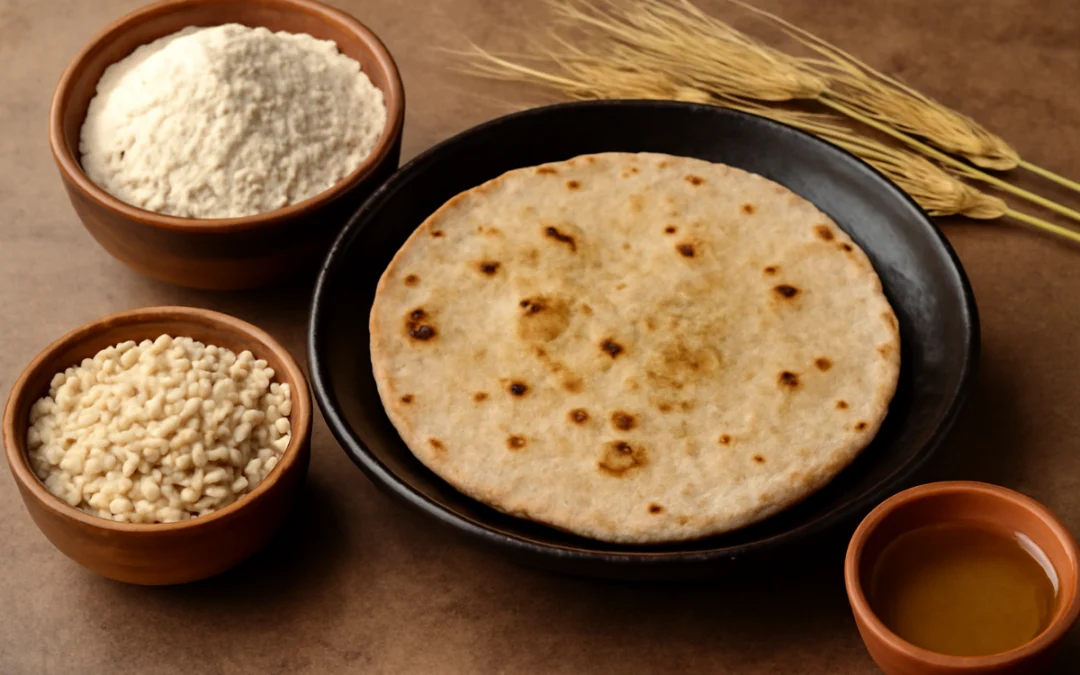
If you want to bring the Sunnah of barley into your home, why not start with a simple yet delicious barley roti? This recipe is easy to follow and requires minimal ingredients, all of which are wholesome and natural. By incorporating this humble grain into your meals, you not only enhance your health but also revive a part of the Prophet’s ﷺ blessed diet. Here’s a quick and straightforward recipe for a nutritious barley roti:
Ingredients:
- Barley flour (preferably organic) – ⅓ cup + 2 tsp
- Water – ½ cup
- Pink Himalayan salt – a pinch
Method:
- In a pan, combine 2 tsp barley flour with ½ cup water and stir continuously on low heat until no lumps remain.
- Add salt and bring to a gentle boil, mixing well.
- Turn off the flame, then add the remaining barley flour, stir, and cover for 3–5 minutes to allow the flour to absorb the water.
- Transfer to a board, add a few drops of water, and knead into a smooth dough.
- Rest the dough for 20 minutes, then roll into rotis and cook on a tawa (cast iron skillet) until both sides are golden brown.
Brush with ghee or cold-pressed olive oil before serving for added softness and nourishment.
Reflection: Returning to the Sunnah for a Balanced Life
The Prophet ﷺ’s approach to food was rooted in mindfulness and simplicity, teaching us that a healthy diet isn’t just about nourishment for the body but also about maintaining a deep connection to Allah’s blessings. By returning to whole, unprocessed foods like barley, we not only nourish ourselves physically but also spiritually, aligning with the Sunnah of the Prophet ﷺ. Eating in a way that reflects gratitude and mindfulness fosters a lifestyle that balances both health and faith. Barley roti serves as a reminder of the Prophet’s ﷺ timeless wisdom and offers a simple yet powerful way to incorporate Sunnah-inspired nourishment into our modern lives.
Conclusion: Embrace the Sunnah for Health and Blessings
Incorporating barley into your diet is not only a way to improve your health but also a way to revive the Sunnah of the Prophet ﷺ. This simple grain provides a wealth of nutrients that can help maintain overall well-being and protect against modern health issues like heart disease, diabetes, and digestive disorders. By following the example set by the Prophet ﷺ, we can adopt a more mindful, balanced approach to food and life. Whether you’re making barley roti or adding barley to soups, salads, or other dishes, this powerful grain offers endless possibilities for wholesome, nourishing meals. Revive the Sunnah today and experience the blessings of natural, unprocessed foods.
FAQs
1. What are the health benefits of barley?
Barley is packed with essential nutrients, including B vitamins, antioxidants like vitamin E, and vital minerals such as iron, magnesium, and zinc. It is rich in fiber, which aids in digestion and helps regulate blood sugar levels, making it beneficial for weight management and heart health. Consuming barley regularly can also help lower cholesterol and reduce the risk of certain types of cancer.
2. How does eating barley roti relate to the Sunnah of the Prophet ﷺ?
The Prophet Muhammad ﷺ often consumed simple, wholesome foods like barley in its natural form. The hadith from Sahih al-Bukhari shows that barley flour was used without being sifted, preserving its natural nutrients. By incorporating barley roti into our diets, we revive the Sunnah of eating wholesome, minimally processed foods, aligning our meals with the teachings of the Prophet ﷺ.
3. Can I substitute barley flour with regular wheat flour in the roti recipe?
While you can substitute barley flour with wheat flour, barley offers unique nutritional benefits, including higher fiber and antioxidant content. Wheat flour is more processed, which means it lacks some of the health advantages that barley provides. For maximum health benefits and to stay true to the Sunnah, it’s recommended to use barley flour.
4. How can barley help improve digestion?
Barley is rich in insoluble fiber, which supports a healthy digestive system by promoting regular bowel movements and preventing constipation. The fiber in barley also helps feed beneficial gut bacteria, improving gut health. Consuming whole barley can keep your digestive system functioning optimally, making it an excellent addition to your diet.
5. Is barley suitable for people with gluten intolerance?
Barley contains gluten, so it is not suitable for individuals with celiac disease or gluten intolerance. If you are gluten-sensitive, it’s important to avoid barley and opt for gluten-free grains such as rice, quinoa, or oats. Always check labels to ensure the product is gluten-free if you have a sensitivity or allergy.