
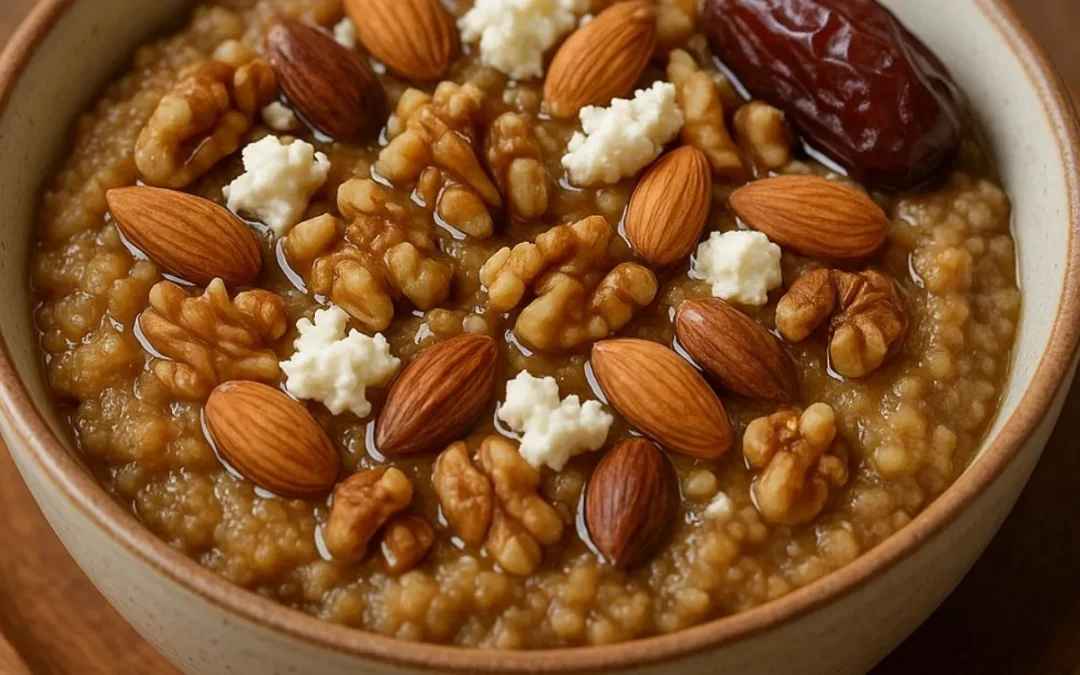
Hais (Hasees) — also known as Hasees A Sunnah Sweet Dish — is one of the timeless Sunnah desserts that beautifully captures the essence of prophetic nutrition. This wholesome sweet dish carries a history of simplicity, purity, and nourishment, making it a powerful reminder of how the Prophet ﷺ approached food with mindfulness and gratitude. In a world filled with heavily processed sweets, artificial additives, and chemical-laden desserts, Hais stands out as a natural, nutrient-dense choice suitable for both celebrations and everyday nourishment. It evokes a sense of connection to the prophetic era, offering a taste of tradition while supporting modern-day health goals. If you’re searching for a dessert that is healthy, Sunnah-inspired, and incredibly satisfying, Hais is the perfect revival dish for your kitchen.
The hadith in Sahih al-Bukhari 5169 highlights that the Prophet ﷺ offered Hais at his wedding feast, showcasing its cultural and spiritual significance. This single narration proves how simplicity and wholesomeness were always at the heart of prophetic celebrations. Foods like Hais were prepared using ingredients such as barley, dates, cheese, and milk all known for their nourishing properties in Islamic tradition. These natural foods are high in vitamins, minerals, slow-digesting carbohydrates, and healthy fats, making Hais a balanced sweet that energizes without harming the body. By reviving this Sunnah dish, we reconnect with the Prophetic lifestyle while aligning with modern clean-eating trends.
Why Hais Is a Powerhouse Sunnah Dessert
Hais is not just a dessert it’s a functional, nutrient-dense sweet that aligns perfectly with holistic health. Made with natural foods such as barley, dates, paneer (cottage cheese), nuts, and ghee, this recipe provides high-quality protein and healthy fats. These ingredients help maintain energy, stabilize blood sugar, and support digestive health without relying on refined sugar or artificial flavors. Its natural sweetness satisfies cravings while keeping the body nourished in a balanced way. This makes Hais ideal for children, adults, athletes, and anyone seeking a wholesome dessert option.
Nutritional Benefits of Hais (Hasees)
Here’s why this Sunnah dessert is a nutritional gem:
- Naturally sweetened with dates, honey, or jaggery
- Rich in fiber, calcium, and protein
- Contains healthy fats from ghee and nuts
- Good source of slow-releasing energy
- Supports digestion and hormonal balance
Sunnah-Inspired Hais Recipe
Ingredients
- ½ cup boiled barley
- 1 cup milk
- ¼ cup paneer (cottage cheese)
- 2 tsp ghee
- ¼ cup roasted nuts
- Dates, date syrup, or jaggery (to taste)
- 1 tbsp honey
Method
- Heat ghee and roast the barley until fragrant and lightly golden.
- Add milk and cook until creamy.
- Stir in crumbled paneer and reduce heat.
- Add natural sweeteners such as dates or jaggery.
- Serve topped with honey, paneer, and nuts.
Conclusion
Hais is more than a dessert — it is a meaningful way to revive prophetic eating habits with modern health benefits. This Sunnah delicacy supports wellness, nourishment, and celebration without compromising on purity or natural ingredients. By incorporating Hais into your lifestyle, you embrace both spiritual connection and clean nutrition. Whether served warm or chilled, it remains a comforting reminder that wholesome foods are a blessing meant to be enjoyed. Add this Sunnah sweet dish to your table and experience the perfect blend of tradition, taste, and health.
FAQs
1. Is Hais suitable for weight loss?
Yes, when eaten in moderation, Hais provides natural sweetness and healthy fats that keep you full longer.
2. Can Hais be made vegan?
Yes. Substitute plant-based milk, vegan ghee, and a non-dairy cheese alternative.
3. Is Hais safe for children?
Absolutely — it is made with natural, nutrient-rich foods ideal for growing bodies.
4. Can I store Hais in the refrigerator?
It stays fresh for up to 2–3 days when refrigerated.
5. Does Hais have to be served hot?
No, it can be enjoyed hot, warm, or cold depending on preference.