
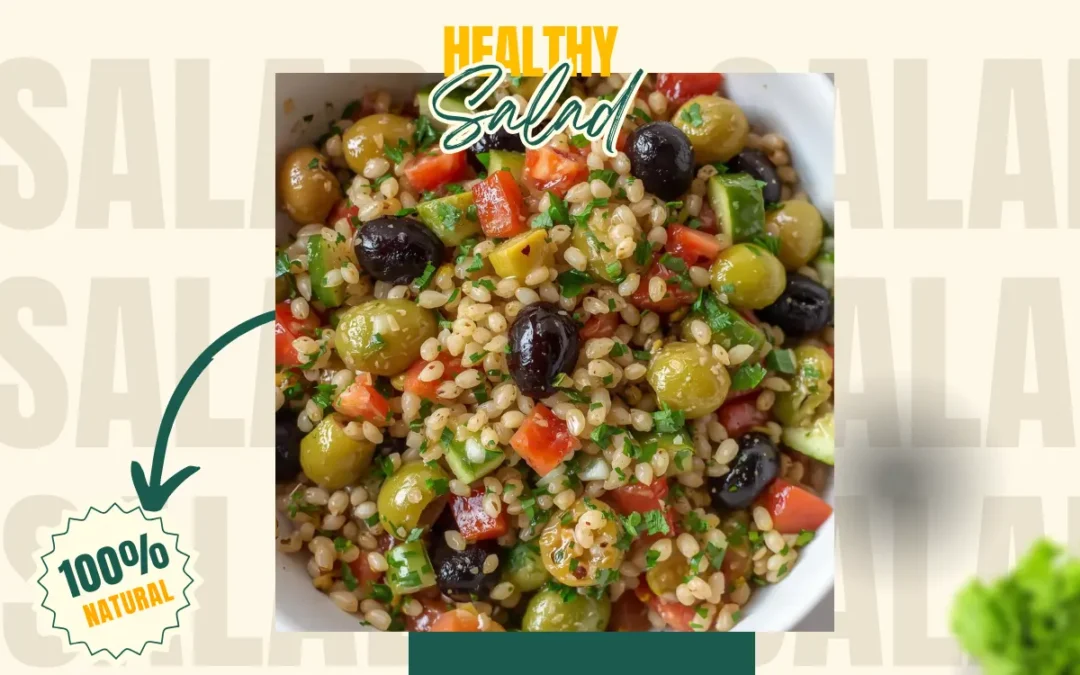
When we look at the foods recommended by the Prophet ﷺ, it’s clear that these foods are not just about filling our stomachs. They are deeply connected to our physical, spiritual, and emotional well-being. Among the most cherished foods in Islamic tradition are olives and barley two ingredients rich in history, health benefits, and prophetic wisdom. Together, they make up a dish that is not only delicious but also deeply rooted in Sunnah: Olive and Barley Salad.
The Blessing of Olive Oil in the Sunnah
📖 Hadith Reference
Sunan Ibn Majah 3319
The Messenger of Allah ﷺ said:
“Season (your food) with olive oil and anoint yourselves with it, for it comes from a blessed tree.”
The olive tree is one of the few trees that hold sacred importance in Islamic tradition. It’s mentioned several times in the Qur’an, with special emphasis on the unique benefits of both the fruit and its oil. The Prophet ﷺ encouraged the use of olive oil for both consumption and as a topical treatment due to its numerous benefits for the body and skin. The blessing of olives is not just in their nourishment but also in their ability to bring physical and spiritual benefits to those who consume them.
Olives were often a part of the diet of the Prophet ﷺ and his companions. The Qur’an’s mention of the olive tree in multiple surahs emphasizes its importance not only as food but as a symbol of goodness, nourishment, and divine blessing. Consuming olive oil aligns us with the prophetic teachings and connects us to a tradition of health and well-being.
In the Qur’an, olives are highlighted as a food of nourishment:
“By the fig and the olive and [by] Mount Sinai, And [by] this city of security [Makkah]. Verily, We have certainly created man in the best of stature.” (Surah Tin: 1-4)
“And [We brought forth] a tree issuing from Mount Sinai which produces oil and food for those who eat.” (Surah Muminoon: 20)
The Sunnah Wisdom of Olives
The wisdom of the Prophet ﷺ goes far beyond his teachings on spiritual matters. He provided practical guidance on how to lead a healthy life, and incorporating Sunnah foods like olive oil and olives is one of the key ways to maintain balance and health. The Prophet ﷺ didn’t just recommend these foods for their taste; he knew the long-term benefits they provided for the mind, body, and soul.
Incorporating olive oil into your diet can be a powerful way to follow the Sunnah while enhancing your overall health. Not only does olive oil have a delicious flavor, but it is also packed with nutrients that support a variety of bodily functions. With its high content of healthy fats, antioxidants, and vitamins, olive oil promotes well-being and longevity.
The Prophet ﷺ also recommended applying olive oil to the skin and hair, highlighting its beauty benefits. Its richness in vitamin E and other essential nutrients helps to keep the skin hydrated, smooth, and healthy, and it nourishes the hair from root to tip.
Health Benefits of Olives:
- Heart Health:
Olive oil is rich in monounsaturated fats, which have been proven to reduce bad cholesterol (LDL) while raising good cholesterol (HDL). This is particularly important in preventing heart disease and stroke. Regular consumption of olive oil can also help to lower blood pressure and reduce the risk of cardiovascular diseases. - Cancer Prevention:
Olive oil contains compounds like oleocanthal, which have anti-inflammatory and antioxidant properties. These compounds have been linked to a reduced risk of certain types of cancer, particularly breast and colon cancer. The antioxidants in olive oil help protect cells from oxidative stress, a key contributor to cancer development. - Skin & Hair Health:
Olive oil is a natural moisturizer for the skin. Rich in vitamin E and polyphenols, it helps protect the skin from the damage caused by free radicals and environmental factors, such as sun exposure. Olive oil can help improve skin texture, reduce signs of aging, and promote a glowing complexion. When used on the scalp and hair, it nourishes and strengthens the hair follicles, promoting healthy hair growth and reducing dandruff. - Reduced Allergies:
Regular consumption of olives and olive oil helps to reduce inflammation in the body, including in the airways. This makes them particularly useful for individuals who suffer from allergies or asthma. The anti-inflammatory properties can help calm an overactive immune response. - Digestive & Bone Health:
The healthy fats in olives support gut health by improving the balance of beneficial bacteria in the intestines. These healthy fats also help the body absorb fat-soluble vitamins (A, D, E, and K). Additionally, olive oil has been shown to help strengthen bones by improving calcium absorption and boosting bone density. - Detoxification:
Olive oil increases glutathione levels, which is a powerful antioxidant in the liver. This supports the body’s natural detoxification processes, helping to flush out harmful toxins and cleanse the system. - Anti-inflammatory & Antioxidant Properties:
Olive oil contains polyphenols and other antioxidants that help combat oxidative stress and reduce chronic inflammation in the body. These properties are beneficial for those suffering from conditions like arthritis or autoimmune diseases.
Barley – The Complementary Superfood
Barley, like olive oil, is a food of great significance in Islam. Barley was one of the staple grains consumed during the time of the Prophet ﷺ. In the Qur’an, barley is mentioned as a food that provides essential nutrients and sustenance.
Barley is an excellent source of fiber, especially soluble fiber, which helps lower cholesterol levels, maintain healthy blood sugar levels, and improve digestive health. Barley is also rich in vitamins (such as B vitamins) and minerals (such as magnesium and iron), which support various bodily functions, including energy production, muscle function, and red blood cell formation.
In addition to its nutritional value, barley is a low glycemic index food, making it an excellent choice for individuals managing blood sugar levels or those looking to maintain stable energy throughout the day.
Olive and Barley Salad Recipe
This Olive and Barley Salad is an easy and refreshing way to incorporate these two Sunnah foods into your diet. It’s not just a meal; it’s an act of following the Prophet’s ﷺ guidance and enhancing your health with natural, wholesome ingredients.
Ingredients:
For the Salad:
- 10 Olives (green or black) – Choose organic olives for maximum benefits.
- ½ cup Hulled Barley (boiled) – Barley should be organic and hulled for the best nutritional profile.
- 2 cups Green Mixed Salad Leaves – Use a variety of fresh greens like spinach, kale, and arugula.
- ½ cup Bell Peppers (green, red, yellow), sliced – These add crunch and vibrant color to your salad.
- 5 Cherry Tomatoes, cut lengthwise – Cherry tomatoes add juiciness and antioxidants.
- ¼ cup Cucumber, chopped – Refreshing and hydrating.
- ¼ cup Sliced Almonds or Pecans – Adds crunch, healthy fats, and protein.
- ¼ cup Apple, sliced – A sweet, crisp element that balances the salad’s savory flavors.
For the Dressing:
- 2 tsp Cold-pressed Virgin Olive Oil – This is the primary source of healthy fats and antioxidants.
- 1 tsp Raw Organic Honey – A touch of sweetness that enhances the flavor.
- ¼ tsp Mustard – Adds a slight tangy kick.
- ½ tsp Mixed Dried Herbs – A blend of herbs such as oregano, thyme, and basil for extra flavor.
- ¼ tsp Balsamic Vinegar or Lemon Juice – A zesty acid to balance the richness of the olive oil.
- Salt and Black Pepper, to taste – Season to your liking.
Method:
- Prepare the Salad Leaves: Wash and dry the salad leaves thoroughly to remove any dirt or pesticides.
- Combine the Ingredients: In a large salad bowl, mix the barley, olives, bell peppers, cherry tomatoes, cucumber, sliced almonds, and apple slices. Toss gently to combine all the ingredients evenly.
- Make the Dressing: In a small jar, combine all the dressing ingredients. Close the jar and shake vigorously until the dressing is well blended.
- Toss the Salad: Drizzle the dressing over the salad and toss gently to coat all the ingredients.
- Serve Immediately: This salad is best enjoyed fresh. Serve as a light meal or as a side dish.
Conclusion:
The Olive and Barley Salad is not just a nutritious meal; it’s a way to connect with the teachings of the Prophet ﷺ. By eating the foods he recommended, we are not only benefiting our health but also fostering a closer connection to our faith and following the guidance of the Sunnah. This simple yet powerful dish combines the wisdom of ancient nutrition with the blessings of prophetic teachings, offering a meal that nourishes both body and soul.
FAQs
1. Why is olive oil considered a blessed food in Islam?
Olive oil is considered blessed because it is mentioned in the Qur’an and the Hadith. The Prophet ﷺ emphasized its health benefits, recommending it for both consumption and external application. Its numerous health benefits, including heart health, skin care, and anti-inflammatory properties, make it a key part of a wholesome diet.
2. How can I include more Sunnah foods in my diet?
You can start by adding foods that the Prophet ﷺ recommended, such as olives, honey, dates, barley, figs, and cucumbers. These foods can be incorporated into your daily meals in a variety of ways whether as a snack, in salads, or as part of a main dish.
3. Can this salad be made ahead of time?
While this salad is best served fresh, you can prepare the individual ingredients (like barley and salad leaves) ahead of time. Store them in separate containers in the refrigerator, and combine them just before serving for the best taste and texture.
4. Is barley gluten-free?
Barley contains gluten and is not suitable for those with celiac disease or gluten sensitivity. For a gluten-free version of the salad, substitute barley with quinoa, millet, or brown rice.
5. Can I use regular olive oil instead of cold-pressed?
Cold-pressed virgin olive oil is the best choice because it retains all the nutrients and antioxidants. However, if cold-pressed olive oil is not available, you can use regular olive oil as an alternative, though it may lack some of the health benefits.