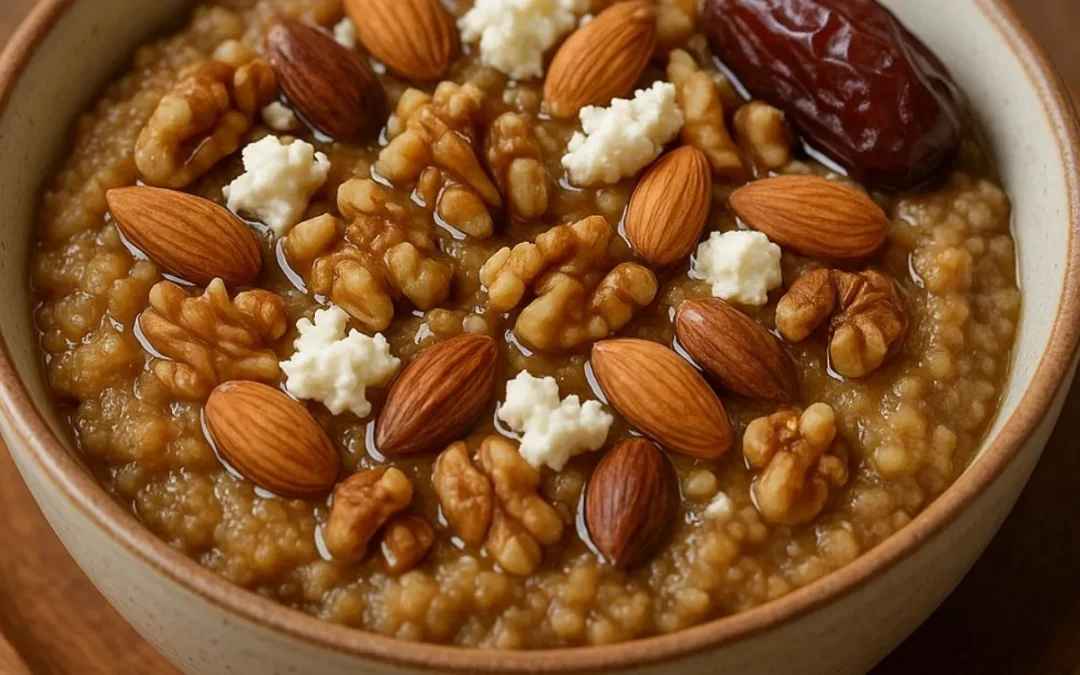
Hais (Hasees) — also known as Hasees A Sunnah Sweet Dish — is one of the timeless Sunnah desserts that beautifully captures the essence of prophetic nutrition. This wholesome sweet dish carries a history of simplicity, purity, and nourishment, making it a powerful reminder of how the Prophet ﷺ approached food with mindfulness and gratitude. In a world filled with heavily processed sweets, artificial additives, and chemical-laden desserts, Hais stands out as a natural, nutrient-dense choice suitable for both celebrations and everyday nourishment. It evokes a sense of connection to the prophetic era, offering a taste of tradition while supporting modern-day health goals. If you’re searching for a dessert that is healthy, Sunnah-inspired, and incredibly satisfying, Hais is the perfect revival dish for your kitchen.
The hadith in Sahih al-Bukhari 5169 highlights that the Prophet ﷺ offered Hais at his wedding feast, showcasing its cultural and spiritual significance. This single narration proves how simplicity and wholesomeness were always at the heart of prophetic celebrations. Foods like Hais were prepared using ingredients such as barley, dates, cheese, and milk all known for their nourishing properties in Islamic tradition. These natural foods are high in vitamins, minerals, slow-digesting carbohydrates, and healthy fats, making Hais a balanced sweet that energizes without harming the body. By reviving this Sunnah dish, we reconnect with the Prophetic lifestyle while aligning with modern clean-eating trends.
Hais is not just a dessert it’s a functional, nutrient-dense sweet that aligns perfectly with holistic health. Made with natural foods such as barley, dates, paneer (cottage cheese), nuts, and ghee, this recipe provides high-quality protein and healthy fats. These ingredients help maintain energy, stabilize blood sugar, and support digestive health without relying on refined sugar or artificial flavors. Its natural sweetness satisfies cravings while keeping the body nourished in a balanced way. This makes Hais ideal for children, adults, athletes, and anyone seeking a wholesome dessert option.
Nutritional Benefits of Hais (Hasees)
Here’s why this Sunnah dessert is a nutritional gem:
Naturally sweetened with dates, honey, or jaggery
Rich in fiber, calcium, and protein
Contains healthy fats from ghee and nuts
Good source of slow-releasing energy
Supports digestion and hormonal balance
Sunnah-Inspired Hais Recipe
Ingredients
½ cup boiled barley
1 cup milk
¼ cup paneer (cottage cheese)
2 tsp ghee
¼ cup roasted nuts
Dates, date syrup, or jaggery (to taste)
1 tbsp honey
Method
Heat ghee and roast the barley until fragrant and lightly golden.
Add milk and cook until creamy.
Stir in crumbled paneer and reduce heat.
Add natural sweeteners such as dates or jaggery.
Serve topped with honey, paneer, and nuts.
Conclusion
Hais is more than a dessert — it is a meaningful way to revive prophetic eating habits with modern health benefits. This Sunnah delicacy supports wellness, nourishment, and celebration without compromising on purity or natural ingredients. By incorporating Hais into your lifestyle, you embrace both spiritual connection and clean nutrition. Whether served warm or chilled, it remains a comforting reminder that wholesome foods are a blessing meant to be enjoyed. Add this Sunnah sweet dish to your table and experience the perfect blend of tradition, taste, and health.
FAQs
1. Is Hais suitable for weight loss?
Yes, when eaten in moderation, Hais provides natural sweetness and healthy fats that keep you full longer.
2. Can Hais be made vegan?
Yes. Substitute plant-based milk, vegan ghee, and a non-dairy cheese alternative.
3. Is Hais safe for children?
Absolutely — it is made with natural, nutrient-rich foods ideal for growing bodies.
4. Can I store Hais in the refrigerator?
It stays fresh for up to 2–3 days when refrigerated.
5. Does Hais have to be served hot?
No, it can be enjoyed hot, warm, or cold depending on preference.
Milk has been celebrated for centuries, not only for its powerful nutritional profile but also for its deep spiritual significance in Islam. This sacred drink holds a distinguished place in Qur’anic revelation and Prophetic teachings, offering both physical nourishment and spiritual barakah for those who consume it mindfully. Many people today search for healthier lifestyle options and Prophetic nutrition tips, making milk a timeless superfood that aligns perfectly with both traditional and modern wellness. If you’ve been looking for a simple yet powerful way to reconnect with Sunnah nutrition while boosting your health, this guide will help you start with one beautiful drink a Sunnah-inspired power smoothie. Let’s explore why milk is considered one of the most complete foods and how to turn it into a nourishing, Sunnah-inspired smoothie.
Milk is praised in the Qur’an as a pure and beneficial drink, rich in nutrients and free from impurities when consumed in its natural form.
Allah SWT says: “We give you to drink pure milk, palatable to the drinkers” (Surah Nahl 16:66)
Reminding us of its divine origin and nutritional wisdom. Our beloved Prophet Muhammad ﷺ also loved milk and taught a special supplication upon drinking it, asking Allah to bless it and increase it. This reinforces the idea that milk is more than food it is a blessing capable of strengthening both the body and the soul. Consuming milk with intention allows us to embrace holistic wellness guided by the Sunnah.
Milk is described in Islamic teachings as a complete and pure drink, crafted by Allah SWT as a form of nourishment for humanity. This divine mention elevates milk from an everyday beverage to a cherished Sunnah food with immense spiritual value. The Prophet ﷺ emphasized that milk is unmatched in completeness, indicating that it contains everything the human body needs for energy, strength, and survival. When consumed with gratitude and the recommended dua, milk becomes both nourishment and ibadah. This combination of nutrition and spiritual mindfulness makes milk a unique food in the Islamic tradition.
From a practical perspective, many Muslims today incorporate milk into their diets as part of a natural, holistic health routine inspired by Sunnah living. The practice of drinking milk regularly can support energy, mood, and long-term wellness, especially for those seeking natural alternatives to processed drinks. Incorporating milk into smoothies, meals, and snacks is an easy way to reconnect with Prophetic guidance while enjoying modern convenience. Whether consumed alone or as part of a nourishing recipe, milk stands as a timeless superfood that nurtures body and soul. This virtue alone makes it a powerful ingredient for a Prophetic Power Smoothie.
Why Milk is a Superfood
Milk is considered a superfood because of its naturally balanced composition, containing carbohydrates, fats, proteins, vitamins, and essential minerals. Unlike many modern processed drinks, milk provides complete nourishment without artificial additives, making it ideal for daily consumption. Cow and goat milk remain the best options, as they are closest to the types traditionally used during the time of the Prophet ﷺ. Choosing whole, organic, or raw milk (where safe and permitted) ensures maximum nutritional benefit and purity. These qualities help make milk one of the most wholesome natural beverages available today.
For individuals with lactose intolerance, mild digestive discomfort can often be managed through lactase enzyme supplements or choosing fermented dairy alternatives. Many nutritionists also recommend gradually reintroducing small amounts of milk to build tolerance over time. Grass-fed milk is particularly rich in omega-3 fatty acids and CLA, making it an excellent choice for people focused on natural health. With its abundant vitamins and minerals, milk supports energy, immunity, and metabolic balance. This makes it an essential ingredient when creating nutrient-rich drinks like Sunnah smoothies.
Health Benefits of Milk
Milk offers one of the most complete nutritional profiles of any natural food, providing essential vitamins such as B12, A, D, thiamine, and minerals like calcium, magnesium, zinc, and potassium. These nutrients play a vital role in immune support, brain development, hormonal balance, and long-term wellness. Milk also contains hundreds of fatty acids and health-boosting compounds such as omega-3s and conjugated linoleic acid (CLA). Because of this full-spectrum nutrition, milk is often recommended in holistic diets, Sunnah nutrition plans, and natural healing traditions. Drinking milk regularly can support overall vitality and strengthen bodily functions.
One cup of milk contains around 8 grams of high-quality protein that supports muscle repair, growth, and the production of important enzymes and hormones. It also promotes strong bones and teeth, thanks to its blend of calcium, phosphorus, potassium, and vitamin K2 (especially in grass-fed varieties). The natural fat content in whole milk helps maintain satiety, making it beneficial for weight management and stable energy levels throughout the day. Its balanced macronutrients make milk an excellent pre-workout, post-workout, or meal-replacement option. These health benefits highlight why milk is ideal for a Prophetic Power Smoothie.
Sunnah-Inspired Power Smoothie Recipe
A Prophetic Power Smoothie is an easy and delicious way to bring Sunnah nutrition into your daily routine. It combines milk with nutrient-dense fruits, vegetables, seeds, and oats to create a wholesome meal replacement or energizing snack. Each ingredient is carefully chosen to support sustained energy, digestion, immunity, and overall wellness. Blending milk with these whole foods creates a powerful synergy of vitamins, minerals, fiber, and antioxidants. This makes the Sunnah smoothie both spiritually meaningful and nutritionally potent.
Ingredients
Whole Milk – 1 cup
Banana – ½
Strawberries or berries – ½ cup
Carrots or kale – ½ cup
Oats – 2 tbsp
Chia seeds, flax seeds, hemp seeds – 1 tsp each
Nut butter – 1 tsp
Method
Add all ingredients to a blender.
Blend until smooth and creamy.
Pour into a tall glass and enjoy your Sunnah-inspired, nutrient-rich smoothie.
Optional: Sprinkle cinnamon or honey for added flavor and benefits.
Nutritional Table (Approximate)
Ingredient
Benefit
Whole Milk
Protein, calcium, energy
Banana
Potassium, natural sweetness
Berries
Antioxidants, vitamin C
Carrots/Kale
Vitamin A, fiber
Oats
Complex carbs, satiety
Seeds
Omega-3s, healthy fats
Nut Butter
Protein, healthy fats
Final Reflection
This Prophetic Power Smoothie blends the spiritual blessing of milk with nutritionally rich foods to support balanced, natural living. By choosing whole and wholesome ingredients, you can create a Sunnah drink that fuels your body while uplifting your faith. This smoothie is perfect for busy mornings, post-workout recovery, or a quick meal replacement packed with vitamins and minerals. It also provides a beautiful way to reconnect with the Prophetic diet, encouraging mindfulness and gratitude with every sip. As the Prophet Muhammad ﷺ said: “The most beloved of drinks to the people of Paradise is milk.”
FAQs
1. Is milk really considered a Sunnah food in Islam?
Yes, milk is considered a Sunnah food because it is directly praised in the Qur’an and was a beloved drink of the Prophet Muhammad ﷺ. He would make a special dua after drinking milk, asking Allah SWT to bless it and increase it. Multiple authentic hadiths highlight milk as a complete and pure drink. These teachings elevate milk to a spiritually significant food in Islamic nutrition. Drinking milk with intention is counted as following the Sunnah.
2. What type of milk is best according to Sunnah and modern nutrition?
The best options are whole cow milk or whole goat milk, as these were commonly consumed during the Prophet’s ﷺ time. Whole milk is naturally balanced with fats, proteins, and carbohydrates. Modern nutritionists also recommend grass-fed, organic, or raw milk (if safe and regulated), as it contains more nutrients and fewer additives. Lactose-intolerant individuals may choose lactose-free milk or take lactase enzymes. Always choose fresh, clean, and minimally processed milk for maximum benefit.
3. Can lactose-intolerant individuals still benefit from Sunnah milk consumption?
Yes, lactose-intolerant individuals can still enjoy the benefits of milk with some adjustments. Options include lactose-free milk, lactase enzyme drops, or fermented dairy products such as yogurt and kefir. Goat milk is also naturally easier to digest for many people. It’s recommended to consult a nutritionist or your doctor if symptoms persist. Sunnah encourages moderation and choosing what benefits the body.
4. Is the Prophetic Power Smoothie good for weight loss?
Yes, this smoothie can support weight loss because it contains high-fiber fruits, oats, seeds, and whole foods that increase fullness and stabilize appetite. Whole milk keeps you satiated longer due to its natural fat content. Seeds like chia, flax, and hemp also help curb cravings. When consumed as a meal replacement, it provides balanced nutrition without processed sugars. However, portion control and overall calorie balance remain important.
5. Can I drink this Sunnah smoothie every day?
Absolutely you can drink this smoothie daily as long as your body tolerates the ingredients well. The combination of fruits, seeds, oats, and milk provides a balanced mix of nutrients. It’s ideal for breakfast, suhoor, or post-workout recovery. Make sure to rotate your fruits and vegetables for variety. If you have dietary restrictions, adjust ingredients as needed.
6. What are the health benefits of adding seeds (chia, flax, hemp) to the smoothie?
These seeds are nutrient powerhouses rich in omega-3 fatty acids, fiber, protein, and antioxidants. Here’s a quick overview:
Seed
Benefit
Chia Seeds
Improves digestion, provides sustained energy
Flax Seeds
Supports hormone balance, rich in lignans
Hemp Seeds
High in protein, great for muscle repair
Together, they boost brain health, reduce inflammation, and support long-term wellness.
7. Are berries Sunnah foods?
While berries are not specifically mentioned as Sunnah foods, they are highly nutritious and align perfectly with the principles of Prophetic nutrition. The Sunnah encourages eating wholesome, natural, unprocessed foods — and berries fit this category. They are rich in antioxidants, vitamins, and minerals, complementing milk beautifully. Their natural sweetness makes them excellent for smoothies. Adding berries makes the smoothie more nutrient-dense and flavorful.
8. Can children drink this Prophetic Power Smoothie?
Yes, children can safely enjoy this smoothie as it is made with natural, wholesome ingredients. Milk provides essential calcium and protein for growth. Fruits and vegetables in the smoothie support immunity and vision. Seeds can be included in small amounts, but avoid giving whole seeds to very young children. Always adjust portion sizes based on age.
9. Is the smoothie suitable for pregnant or breastfeeding women?
In most cases, yes — this smoothie is highly nourishing and aligns with healthy prenatal and postnatal nutrition. Milk provides protein, calcium, and vitamin D, all essential for mother and baby. Berries supply antioxidants, while oats support stable energy and digestion. Seeds provide healthy fats beneficial for brain development. However, always consult your healthcare provider for personalized guidance.
10. Can I customize the smoothie ingredients?
Absolutely — customization is encouraged for taste, health goals, and dietary needs. You can swap berries for mangoes, add dates for natural sweetness, or replace kale with spinach. You can also add cinnamon, honey, or black seeds (Nigella sativa) for additional Sunnah benefits. Protein powder can be included for fitness goals. Flexibility makes this smoothie easy to fit into any healthy lifestyle.
11. Does drinking milk really strengthen bones?
Yes, milk plays a key role in bone health due to its combination of calcium, potassium, phosphorus, and vitamin K2 (especially in grass-fed milk). These nutrients work together to support strong bones and prevent deficiencies that lead to weakness. Protein in milk also helps maintain bone structure. When combined with weight-bearing exercise, milk supports long-term skeletal health. This makes it particularly valuable for children, athletes, and older adults.
12. How can I make the smoothie more filling?
To make your Prophetic Power Smoothie more filling, you can add:
Extra oats
A full banana
Greek yogurt
More nut butter
A scoop of protein powder
These additions enhance creaminess, satiety, and protein content. This makes the smoothie a complete meal replacement perfect for suhoor
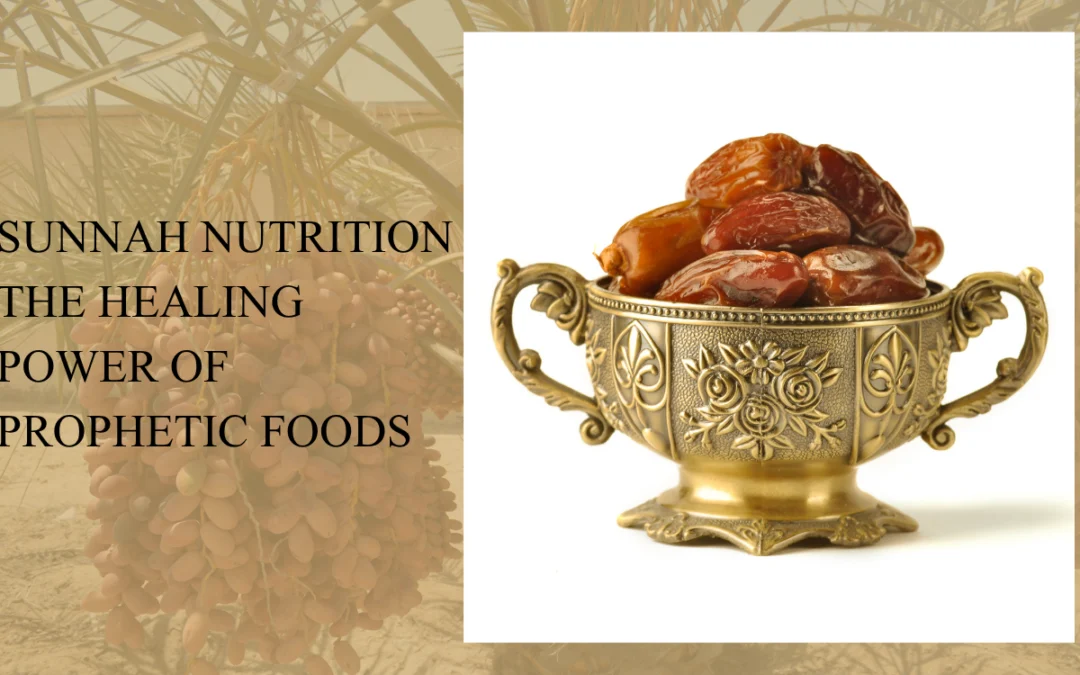
In the blessed traditions of the Prophet Muhammad ﷺ, Prophetic Foods represent more than physical nourishment — they are a source of spiritual reflection, healing, and bodily balance. Among these blessed Sunnah foods, the combination of dates with cucumber or watermelon stands out as a shining example of natural harmony and holistic wellness. The Prophet ﷺ didn’t just teach what to eat, but how to eat with awareness, gratitude, and moderation, reminding us that food can be both a means of sustenance and a path to spiritual balance.
This simple pairing may appear modest, yet it embodies the essence of Prophetic wisdom in health: balance between the elements of nature. Today, as nutritionists rediscover the power of food synergy, the timeless Sunnah of the Prophet ﷺ reminds us that true health lies in aligning with divine balance in both diet and lifestyle.
Authentic Hadith References
Eating Cucumbers with Dates
Sunan Ibn Majah (3325)
It was narrated that ‘Abdullah bin Ja‘far said: “I saw the Messenger of Allah ﷺ eating cucumbers with dates.”
Eating Melons with Dates
Sunan Abu Dawud (3836)
Narrated by Aisha (رضي الله عنها): “The Messenger of Allah ﷺ used to eat melon with fresh dates, and he used to say: ‘The heat of the one is broken by the coolness of the other, and the coolness of the one by the heat of the other.’”
These narrations emphasize the Prophet’s ﷺ awareness of food balance and natural harmony. His choice of foods was guided not only by taste but by wisdom ensuring each meal maintained equilibrium between heat and coolness, dryness and moisture. This approach reflects the Prophetic method of holistic nutrition (Tibb an-Nabawi), where maintaining internal balance prevents illness and promotes well-being.
Modern nutritional science now supports this concept. Pairing warm, energy-dense foods like dates with cooling, hydrating foods like cucumber or watermelon ensures stable body temperature, improved hydration, and smooth digestion — all while preventing the imbalance that causes fatigue or inflammation.
he Wisdom Behind This Sunnah in Prophetic Foods
In Tibb an-Nabawi, every food carries a specific temperament: hot, cold, moist, or dry. The body thrives when these qualities remain in balance. The Prophet Muhammad ﷺ demonstrated this wisdom in his eating habits, often pairing foods of opposing temperaments to neutralize extremes.
Dates (Tamr) are rich, warm, and invigorating, offering strength and vitality. Cucumbers (Qiththa) and watermelons (Bittikh), on the other hand, are cool, light, and refreshing. When eaten together, they form a perfect equilibrium, preventing the body from overheating while ensuring it remains nourished and energized.
This approach also symbolizes a spiritual balance — a reminder that moderation extends beyond diet to every part of life. Just as we seek physical balance in food, we should strive for emotional and spiritual harmony — neither excessive nor negligent in our actions and desires.
Health Benefits of Combining Dates with Cucumber or Watermelon
1- Balances Heat and Coolness in the Body
Dates warm the system, providing vitality and energy, while cucumbers and watermelons cool it down, soothing inflammation and maintaining a calm internal environment. This contrast helps the body adapt naturally to climate changes, especially beneficial during summer or after fasting when the body experiences heat buildup.
Additionally, this balance prevents common issues like dehydration, fatigue, or bloating. In the Prophetic diet, this principle of pairing opposites maintains homeostasis — a state of inner equilibrium that strengthens immunity and supports overall wellness.
2️- Promotes Deep Hydration
Cucumbers (96% water) and watermelons (92% water) are nature’s hydration boosters. Combined with the natural sugars and minerals in dates, this pairing restores electrolytes, making it ideal after fasting, exercise, or during hot weather. It replenishes both water and energy simultaneously.
Moreover, dates provide glucose, potassium, and magnesium, which help cells absorb water efficiently. This synergy keeps the skin glowing, supports kidney health, and reduces headaches caused by dehydration. It’s a perfect Sunnah-inspired remedy for modern fatigue and heat stress.
3️- Supports Digestive and Nervous Health
This combination is gentle on the stomach and supports a calm nervous system. Dates offer fiber and natural glucose that aid digestion and sustain energy, while cucumber and watermelon soothe the digestive tract and help prevent acidity or bloating.
Beyond digestion, the antioxidants and vitamins in these foods protect nerve cells, enhance mood, and reduce stress. Their synergy nourishes the gut-brain connection — an idea now emphasized in modern nutrition but practiced by the Prophet ﷺ centuries ago through simple, mindful eating.
4️- Boosts Immunity and Detoxification
The Prophet’s ﷺ combination also purifies the body. Dates provide selenium, magnesium, and iron, which support immunity and blood health. Cucumbers and watermelons, with their vitamin C and antioxidant compounds, help flush toxins and combat oxidative stress.
Regularly consuming this combination enhances liver function, cleanses the digestive system, and supports clearer skin. It’s not just a refreshing snack it’s a natural detox that aligns with both Prophetic and scientific understanding of health and vitality.
How to Enjoy This Sunnah Combination
Ingredients
Fresh dates (Ajwa, Medjool, or Sukari)
Crisp cucumber, sliced thin
Juicy watermelon, cubed or sliced
Method
Gently deseed the dates.
Place a thin cucumber slice or watermelon cube inside each date.
Serve immediately and enjoy this refreshing balance.
Eat mindfully, with gratitude — reviving the Sunnah of the Prophet ﷺ.
You can also serve this combination as part of an Iftar platter, or blend them into a smoothie for a nutritious drink. Pair it with a glass of Zamzam or plain water to enhance hydration and spiritual barakah.
Spiritual Reflection in Prophetic Foods: The Sunnah of Balance and Mindfulness
This Sunnah teaches us that balance is beauty — in food, in habits, and in the heart. In a world dominated by excess and extremes, the Prophetic approach to food is a timeless reminder of moderation. When we eat with gratitude, balance, and purpose, food becomes an act of worship rather than indulgence.
The Prophet ﷺ said:
“The son of Adam does not fill any vessel worse than his stomach.” — Sunan Ibn Majah (3349)
Through this, we learn that true nourishment is not in quantity but in quality and consciousness. Eating as the Prophet ﷺ ate reconnects us with divine simplicity — transforming even a small meal into an act of remembrance, healing, and barakah (blessing).
Final Thoughts
The combination of dates with cucumber or watermelon beautifully mirrors the balance of the natural world — warm and cool, sweet and fresh, dense and light. It’s a Prophetic tradition of balance, reminding us that harmony in diet leads to harmony in life.
By incorporating this Sunnah into your meals, you not only benefit from physical nourishment but also spiritual serenity. It’s a gentle yet profound reminder that the teachings of the Prophet ﷺ encompass not only worship but also everyday well-being, guiding us toward a lifestyle of gratitude, health, and moderation.
FAQs
What is the hadith about dates and cucumber in Prophetic Foods?
In Prophetic Foods, the hadith from Sunan Ibn Majah (3325) mentions that the Prophet Muhammad ﷺ was seen eating cucumbers with dates. This Sunnah reflects the Prophet’s wisdom in balancing the body’s heat and coolness through simple, natural foods — a key principle in Tibb an-Nabawi (Prophetic medicine).
2️- Why did the Prophet ﷺ eat dates with watermelon?
According to Sunan Abu Dawud (3836), the Prophet ﷺ said:
“The heat of the one is broken by the coolness of the other.” He ate them together to balance the body’s internal temperature — a principle rooted in Prophetic medicine and modern nutrition alike.
3️- Can I eat dates with other fruits besides cucumber or watermelon?
Yes, you can enjoy dates with other cooling fruits like apples, pears, or berries. The goal is to balance the warm nature of dates with light, hydrating foods.
4- When is the best time to eat this Sunnah combination in Prophetic Foods?
It’s ideal during Ramadan, before or after fasting, or anytime during hot weather. The hydration from cucumber or watermelon helps replenish lost fluids, while dates restore natural energy.
5- Is there any scientific basis for this combination in Prophetic Foods?
Yes. Modern studies show that balancing high-energy foods (like dates) with hydrating, low-calorie foods (like cucumbers and watermelons) improves digestion, hydration, and nutrient absorption — validating the Prophetic wisdom.