Prophetic Foods: Sunnah Secrets for Wellness & Peace
In the blessed traditions of the Prophet Muhammad ﷺ, Prophetic Foods represent more than physical nourishment — they are a source of spiritual reflection, healing, and bodily balance. Among these blessed Sunnah foods, the combination of dates with cucumber or watermelon stands out as a shining example of natural harmony and holistic wellness. The Prophet ﷺ didn’t just teach what to eat, but how to eat with awareness, gratitude, and moderation, reminding us that food can be both a means of sustenance and a path to spiritual balance.
This simple pairing may appear modest, yet it embodies the essence of Prophetic wisdom in health: balance between the elements of nature. Today, as nutritionists rediscover the power of food synergy, the timeless Sunnah of the Prophet ﷺ reminds us that true health lies in aligning with divine balance in both diet and lifestyle.
Authentic Hadith References
Eating Cucumbers with Dates
Sunan Ibn Majah (3325)
It was narrated that ‘Abdullah bin Ja‘far said:
“I saw the Messenger of Allah ﷺ eating cucumbers with dates.”
Eating Melons with Dates
Sunan Abu Dawud (3836)
Narrated by Aisha (رضي الله عنها):
“The Messenger of Allah ﷺ used to eat melon with fresh dates, and he used to say:
‘The heat of the one is broken by the coolness of the other, and the coolness of the one by the heat of the other.’”
These narrations emphasize the Prophet’s ﷺ awareness of food balance and natural harmony. His choice of foods was guided not only by taste but by wisdom ensuring each meal maintained equilibrium between heat and coolness, dryness and moisture. This approach reflects the Prophetic method of holistic nutrition (Tibb an-Nabawi), where maintaining internal balance prevents illness and promotes well-being.
Modern nutritional science now supports this concept. Pairing warm, energy-dense foods like dates with cooling, hydrating foods like cucumber or watermelon ensures stable body temperature, improved hydration, and smooth digestion — all while preventing the imbalance that causes fatigue or inflammation.
he Wisdom Behind This Sunnah in Prophetic Foods
In Tibb an-Nabawi, every food carries a specific temperament: hot, cold, moist, or dry. The body thrives when these qualities remain in balance. The Prophet Muhammad ﷺ demonstrated this wisdom in his eating habits, often pairing foods of opposing temperaments to neutralize extremes.
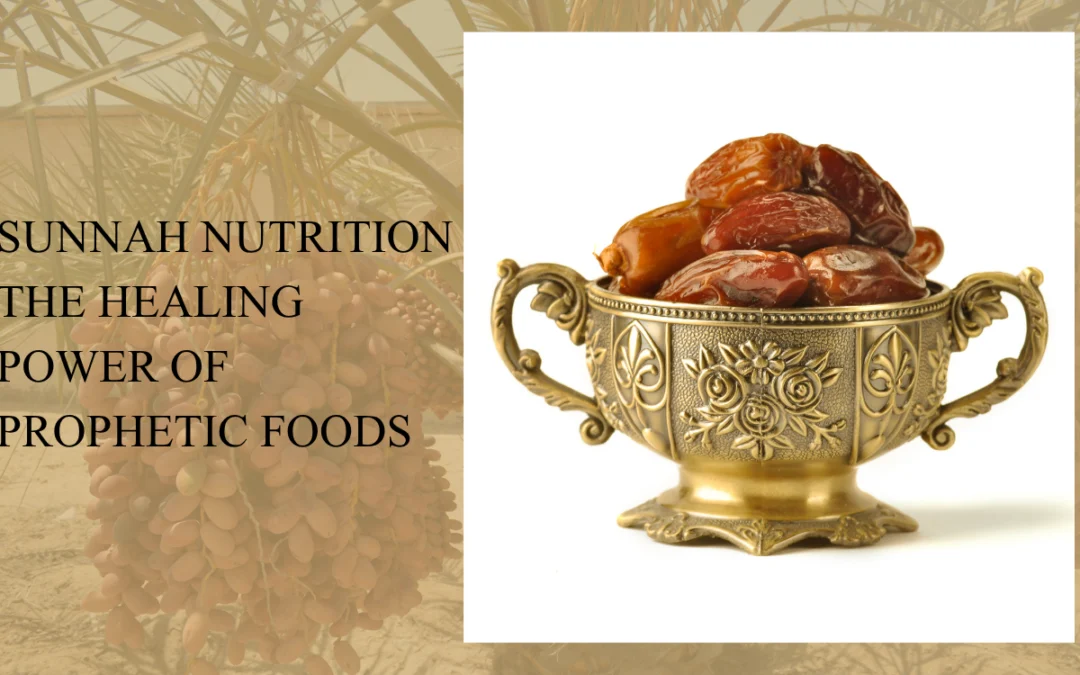
Dates (Tamr) are rich, warm, and invigorating, offering strength and vitality. Cucumbers (Qiththa) and watermelons (Bittikh), on the other hand, are cool, light, and refreshing. When eaten together, they form a perfect equilibrium, preventing the body from overheating while ensuring it remains nourished and energized.
This approach also symbolizes a spiritual balance — a reminder that moderation extends beyond diet to every part of life. Just as we seek physical balance in food, we should strive for emotional and spiritual harmony — neither excessive nor negligent in our actions and desires.
Health Benefits of Combining Dates with Cucumber or Watermelon
1- Balances Heat and Coolness in the Body
Dates warm the system, providing vitality and energy, while cucumbers and watermelons cool it down, soothing inflammation and maintaining a calm internal environment. This contrast helps the body adapt naturally to climate changes, especially beneficial during summer or after fasting when the body experiences heat buildup.
Additionally, this balance prevents common issues like dehydration, fatigue, or bloating. In the Prophetic diet, this principle of pairing opposites maintains homeostasis — a state of inner equilibrium that strengthens immunity and supports overall wellness.
2️- Promotes Deep Hydration
Cucumbers (96% water) and watermelons (92% water) are nature’s hydration boosters. Combined with the natural sugars and minerals in dates, this pairing restores electrolytes, making it ideal after fasting, exercise, or during hot weather. It replenishes both water and energy simultaneously.
Moreover, dates provide glucose, potassium, and magnesium, which help cells absorb water efficiently. This synergy keeps the skin glowing, supports kidney health, and reduces headaches caused by dehydration. It’s a perfect Sunnah-inspired remedy for modern fatigue and heat stress.
3️- Supports Digestive and Nervous Health
This combination is gentle on the stomach and supports a calm nervous system. Dates offer fiber and natural glucose that aid digestion and sustain energy, while cucumber and watermelon soothe the digestive tract and help prevent acidity or bloating.
Beyond digestion, the antioxidants and vitamins in these foods protect nerve cells, enhance mood, and reduce stress. Their synergy nourishes the gut-brain connection — an idea now emphasized in modern nutrition but practiced by the Prophet ﷺ centuries ago through simple, mindful eating.
4️- Boosts Immunity and Detoxification
The Prophet’s ﷺ combination also purifies the body. Dates provide selenium, magnesium, and iron, which support immunity and blood health. Cucumbers and watermelons, with their vitamin C and antioxidant compounds, help flush toxins and combat oxidative stress.
Regularly consuming this combination enhances liver function, cleanses the digestive system, and supports clearer skin. It’s not just a refreshing snack it’s a natural detox that aligns with both Prophetic and scientific understanding of health and vitality.
How to Enjoy This Sunnah Combination
Ingredients
- Fresh dates (Ajwa, Medjool, or Sukari)
- Crisp cucumber, sliced thin
- Juicy watermelon, cubed or sliced
Method
- Gently deseed the dates.
- Place a thin cucumber slice or watermelon cube inside each date.
- Serve immediately and enjoy this refreshing balance.
- Eat mindfully, with gratitude — reviving the Sunnah of the Prophet ﷺ.
You can also serve this combination as part of an Iftar platter, or blend them into a smoothie for a nutritious drink. Pair it with a glass of Zamzam or plain water to enhance hydration and spiritual barakah.
Spiritual Reflection in Prophetic Foods: The Sunnah of Balance and Mindfulness
This Sunnah teaches us that balance is beauty — in food, in habits, and in the heart. In a world dominated by excess and extremes, the Prophetic approach to food is a timeless reminder of moderation. When we eat with gratitude, balance, and purpose, food becomes an act of worship rather than indulgence.
The Prophet ﷺ said:
“The son of Adam does not fill any vessel worse than his stomach.” — Sunan Ibn Majah (3349)
Through this, we learn that true nourishment is not in quantity but in quality and consciousness. Eating as the Prophet ﷺ ate reconnects us with divine simplicity — transforming even a small meal into an act of remembrance, healing, and barakah (blessing).
Final Thoughts
The combination of dates with cucumber or watermelon beautifully mirrors the balance of the natural world — warm and cool, sweet and fresh, dense and light. It’s a Prophetic tradition of balance, reminding us that harmony in diet leads to harmony in life.
By incorporating this Sunnah into your meals, you not only benefit from physical nourishment but also spiritual serenity. It’s a gentle yet profound reminder that the teachings of the Prophet ﷺ encompass not only worship but also everyday well-being, guiding us toward a lifestyle of gratitude, health, and moderation.
FAQs
What is the hadith about dates and cucumber in Prophetic Foods?
In Prophetic Foods, the hadith from Sunan Ibn Majah (3325) mentions that the Prophet Muhammad ﷺ was seen eating cucumbers with dates. This Sunnah reflects the Prophet’s wisdom in balancing the body’s heat and coolness through simple, natural foods — a key principle in Tibb an-Nabawi (Prophetic medicine).
2️- Why did the Prophet ﷺ eat dates with watermelon?
According to Sunan Abu Dawud (3836), the Prophet ﷺ said:
“The heat of the one is broken by the coolness of the other.”
He ate them together to balance the body’s internal temperature — a principle rooted in Prophetic medicine and modern nutrition alike.
3️- Can I eat dates with other fruits besides cucumber or watermelon?
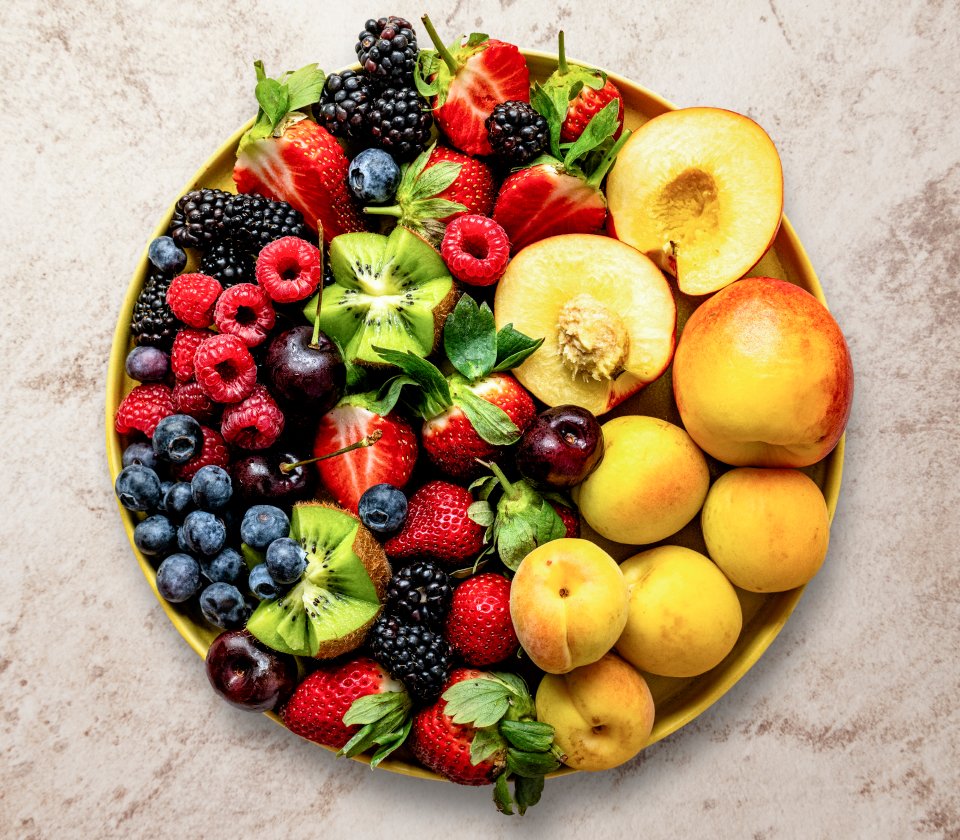
Yes, you can enjoy dates with other cooling fruits like apples, pears, or berries. The goal is to balance the warm nature of dates with light, hydrating foods.
4- When is the best time to eat this Sunnah combination in Prophetic Foods?
It’s ideal during Ramadan, before or after fasting, or anytime during hot weather. The hydration from cucumber or watermelon helps replenish lost fluids, while dates restore natural energy.
5- Is there any scientific basis for this combination in Prophetic Foods?
Yes. Modern studies show that balancing high-energy foods (like dates) with hydrating, low-calorie foods (like cucumbers and watermelons) improves digestion, hydration, and nutrient absorption — validating the Prophetic wisdom.